
Trade Secret Rules Reshape IoT Export Design
Author
Date Published
Reading Time
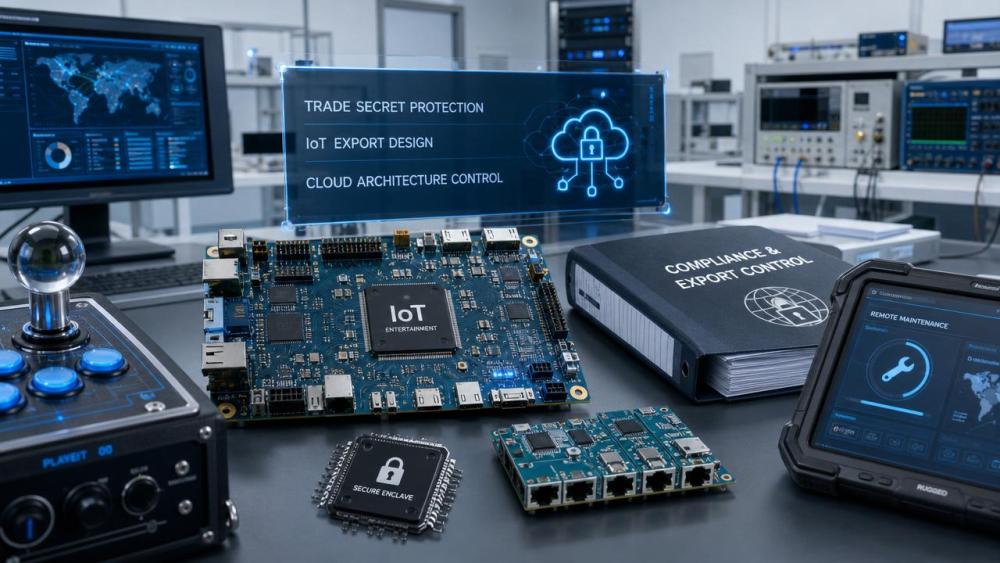
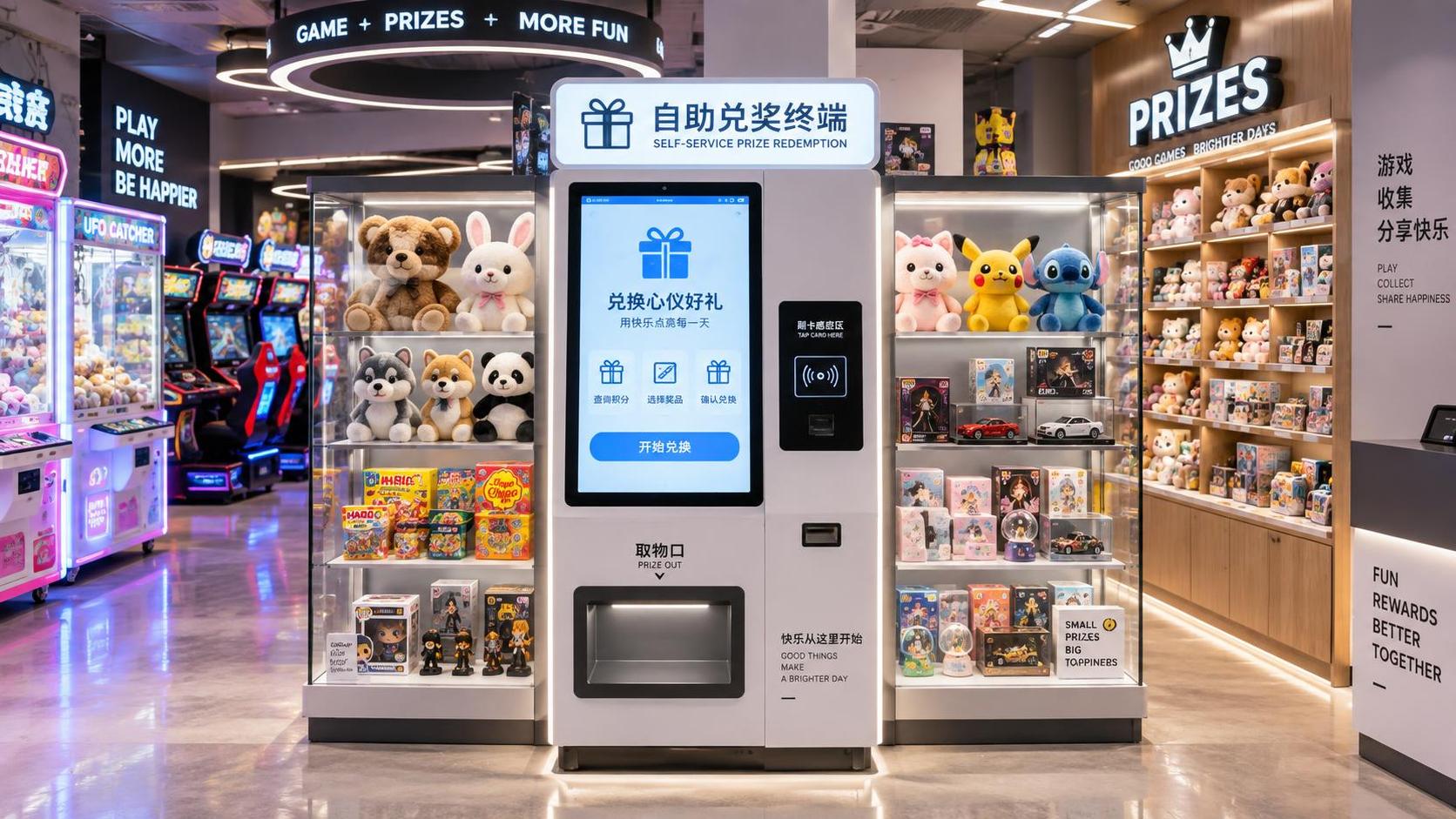
China’s Trade Secret Protection Provisions took effect on June 1, 2026, turning trade secret protection from a general legal principle into a more operational compliance issue for connected entertainment equipment. For exporters, importers, developers, and procurement teams working with IoT Crane Claw Machines, Interactive Prize Vending, and Escape Room AV Controllers that use AI recognition, cloud management, or remote maintenance, the immediate concern is not only legal interpretation but also how source code delivery, SDK access, and overseas localization are structured in real projects.
What the June 1 change clearly covers
The confirmed change is that China’s Trade Secret Protection Provisions formally came into force on 2026-06-01 and further specify the trade secret clauses under the Anti-Unfair Competition Law. The information identified within the protection scope includes technical information, algorithm models, interaction logic, and cloud platform architecture. Based on the provided event summary, this directly affects the compliance path for source code delivery, the boundary of SDK openness, and localized overseas deployment for IoT entertainment devices with AI recognition, cloud management, and remote operation or maintenance functions.
The same provided information also indicates that importers need to reassess suppliers’ data governance capabilities. This places the rule change not only at the legal drafting level but also within practical commercial exchanges tied to software-enabled equipment exports.
Where the compliance pressure is likely to appear first
Export delivery shifts from hardware handover to information boundary control
From an industry perspective, exporters of connected entertainment equipment may feel the impact first because delivery is no longer limited to physical machines and standard operating files. When a product includes AI recognition, cloud management, or remote maintenance functions, the delivered package can involve code, interfaces, deployment logic, and access permissions. What deserves closer attention is whether technical handover documents, software access arrangements, and localization plans expose protected information beyond what a transaction actually requires.
Importer review extends into supplier governance capability
Importers are also directly implicated by the provided event summary. Analysis shows that buyer-side due diligence may need to move beyond product functionality and basic document completeness toward a closer review of how suppliers manage technical information, algorithm-related materials, interaction logic, and platform architecture. In practical terms, procurement review may increasingly focus on whether suppliers can define clear access boundaries for SDKs, source-code-related deliverables, and remote service arrangements.
Development and after-sales teams face tighter coordination demands
For manufacturers, software teams, and after-sales service providers, the rule change may affect how overseas deployment and remote maintenance are organized. Observably, the more connected the product is, the more likely compliance questions will emerge during configuration, debugging, update support, and localized deployment. This does not confirm a uniform execution outcome, but it does indicate that technical service workflows and delivery scope may need closer internal control.
Practical points companies now need to review
Recheck source code and technical document delivery scope
Analysis shows that companies involved in exports of these IoT entertainment devices should review whether bid files, delivery packages, technical manuals, deployment instructions, or service appendices contain technical information that goes beyond operational necessity. The key issue is not whether all technical materials can never be shared, but whether the sharing boundary is clearly defined and consistent with the new compliance environment.
Redefine SDK openness and interface access rules
What deserves closer attention is the boundary of SDK access. Where products require local integration, customization, or post-installation support, companies may need to revisit how much interface information is opened, under what conditions, and with what documentation control. The provided information does not give a detailed enforcement standard, so this should be treated as a compliance checkpoint rather than a settled operating rule.
Examine overseas localization and remote maintenance arrangements
For projects involving overseas localized deployment, companies should pay attention to whether architecture disclosure, platform configuration, or remote operation pathways create new trade secret exposure risks. Observably, this is especially relevant where cloud management and remote maintenance are part of standard delivery or long-term service commitments.
Prepare for stronger supplier qualification review
The event summary explicitly notes that importers need to reassess supplier data governance capabilities. From an industry perspective, this means supplier qualification review may increasingly include internal control over technical information, access management practices, and the ability to support compliant delivery without uncontrolled disclosure. If official implementation details remain limited, companies should at minimum prepare for more detailed questions in procurement and project negotiations.
Why this reads as an execution signal, not just a legal update
Analysis shows that this development is more meaningful as a rule-implementation signal than as a purely abstract policy statement. The reason is that the protected scope described in the provided information directly overlaps with the core value components of connected entertainment devices: algorithms, interaction logic, and cloud architecture. That overlap makes the issue immediately relevant to trade, delivery, localization, and service models.
At the same time, it is more appropriate to understand this as a change that still requires continued observation in actual execution. The provided information confirms the rule’s effect and its relevance to compliance design, but it does not provide detailed enforcement thresholds, standardized documentation requirements, or confirmed market-wide practice. Industry participants therefore need to watch how compliance expectations appear in procurement documents, technical review processes, and market feedback.
How the market should read this stage
A balanced reading is that the June 1 implementation raises the compliance significance of technical boundary setting in IoT entertainment exports. It does not by itself establish a single mandatory delivery model, but it does signal that software-enabled equipment transactions may face closer scrutiny over what is shared, what is localized, and how suppliers govern sensitive technical assets. For now, this is best understood as a live compliance development with direct commercial relevance rather than a completed and fully standardized execution framework.
Basis of this article and what still needs verification
This article is generated based on the user-provided news title, event date, and event summary. For developments of this kind, commonly relevant source types may include official announcements, regulatory releases, customs or trade authority information, industry association updates, standards organization documents, and reporting by authoritative media. A specific official source link was not provided in the input, so that point still requires ongoing verification.
Further observation is still needed on any later policy clarification, implementation interpretation, compliance review practice, procurement document changes, industry feedback, and how companies adjust delivery and governance arrangements in response to the rule taking effect.
Related News
 FEC Capital & Yield per Sq.FtHow to Calculate VR Amusement Venue ROI Before Investing in a Free-Roam AttractionVR amusement venue ROI: learn how to model capital costs, sellable sessions, operating expenses, break-even points, and payback before investing in a free-roam attraction.
 Precision Slate Billiard TablesHow Camera Scoring for Billiards Improves Match Accuracy and Player ExperienceCamera scoring for billiards improves match accuracy, reduces disputes, and creates a smoother player experience. Explore smarter scoring, integration, and venue-ready setup insights.
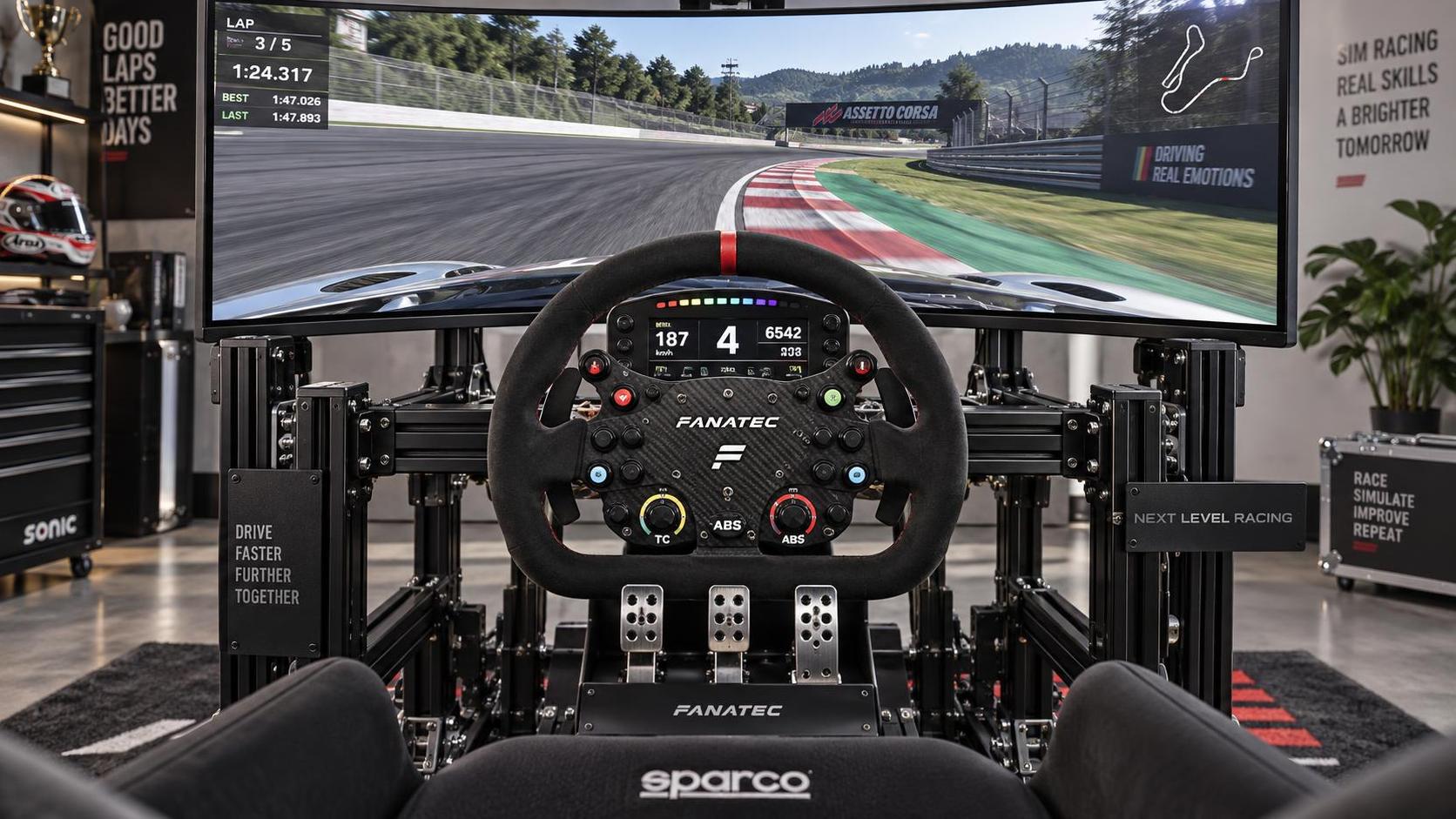
 Direct Drive Wheels & PedalsHow Dynamic Force Feedback Steering Improves Realism in Racing SimulatorsDynamic force feedback steering makes racing simulators more realistic with responsive torque, grip cues, low-latency control, and safer, immersive driving feedback.
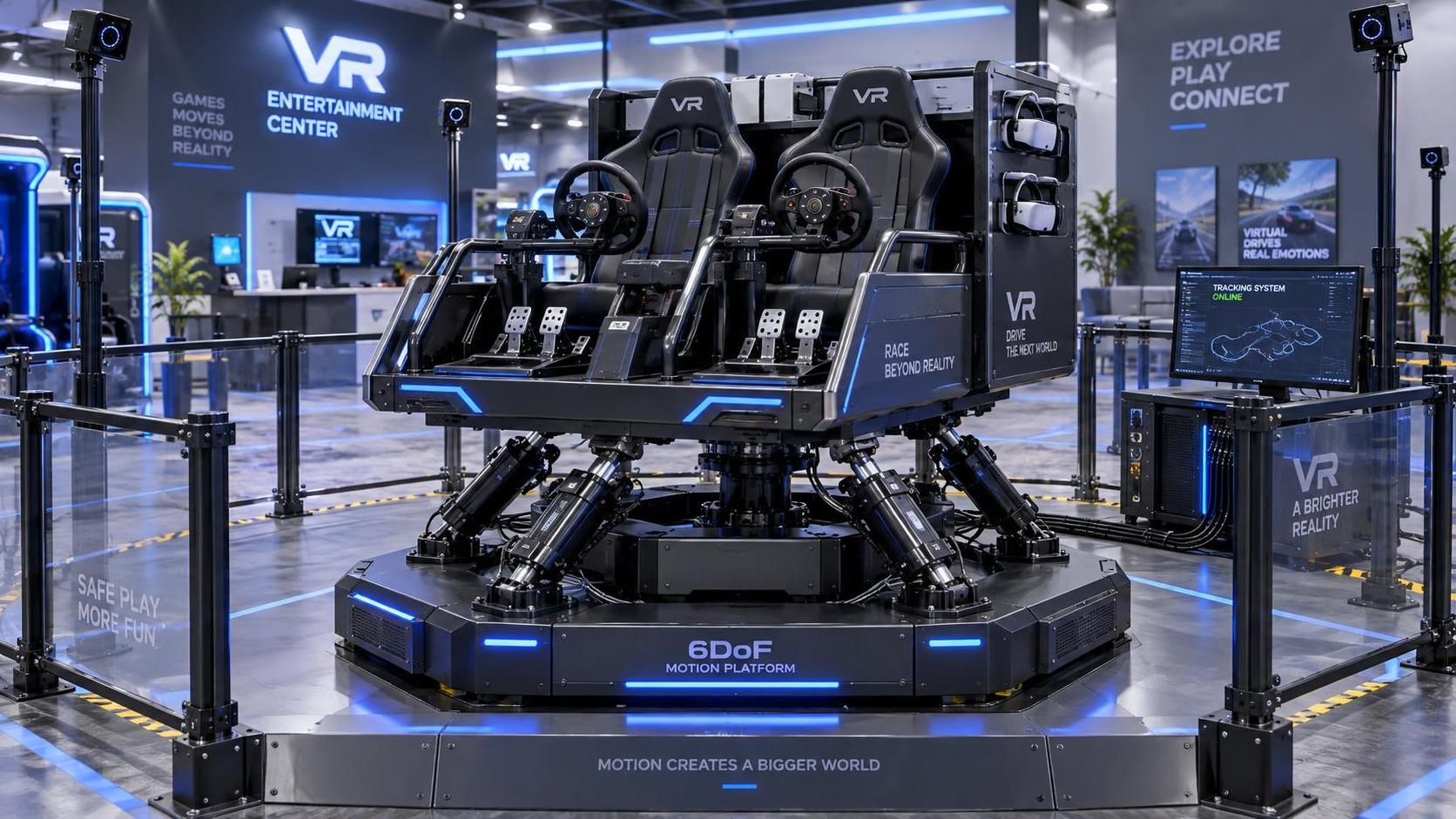
 Multiplayer VR Free-RoamHow to Select a High-Immersion Motion Platform for Location-Based VR AttractionsHigh-immersion motion platforms: learn how to match motion quality, VR content, safety, throughput, and maintenance for profitable location-based VR attractions.
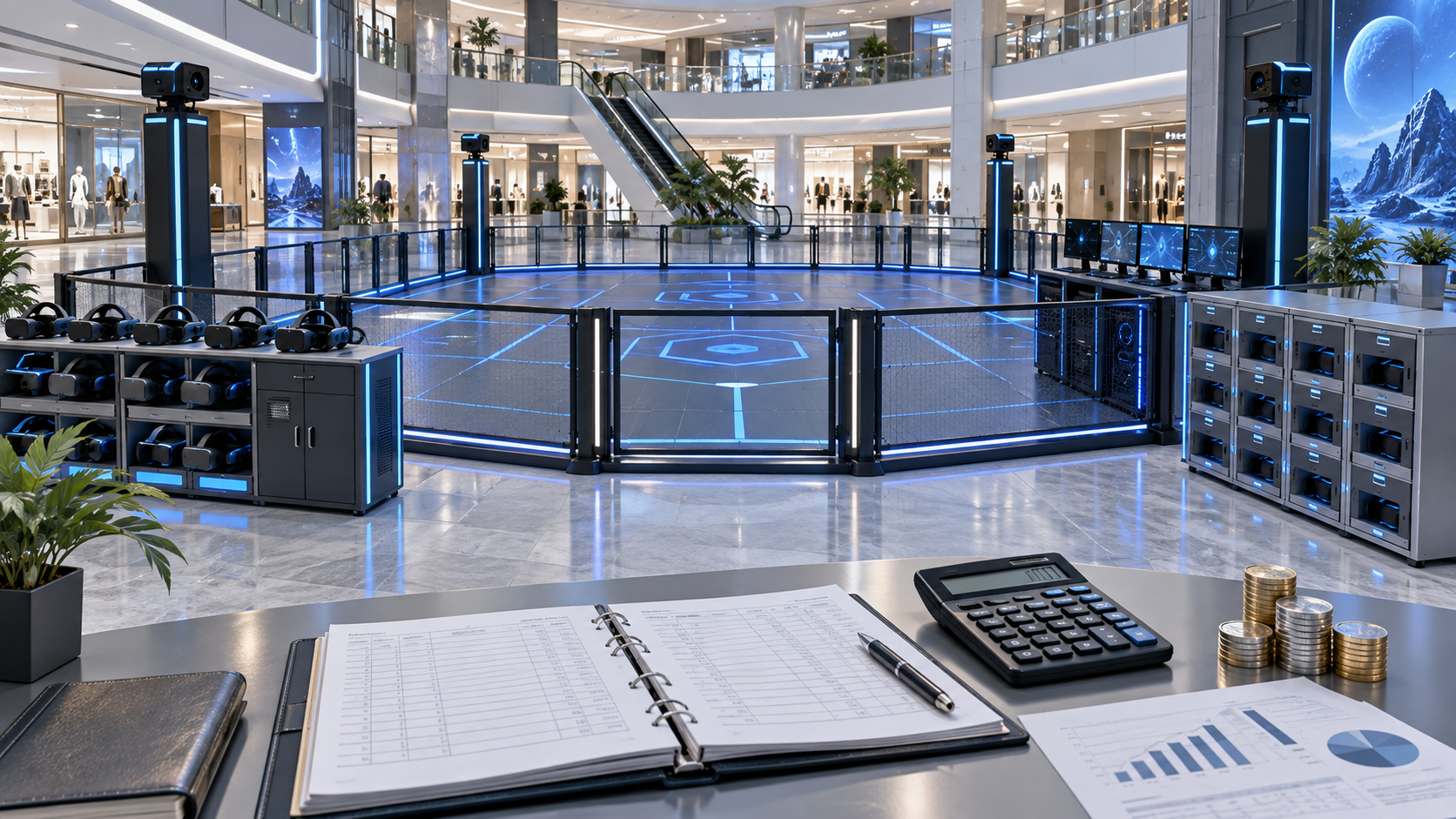
 Multiplayer VR Free-RoamHow Malls Can Evaluate VR Free-Roam Arenas for Footfall, Dwell Time, and ROIVR free-roam arenas for malls: learn how to assess footfall, dwell time, throughput, operating costs, and ROI for a profitable leisure investment.
 Interactive Prize VendingHow to Select Smart Prize Systems for Higher FEC Redemption RevenueSmart prize systems help FECs increase redemption revenue, streamline inventory, reduce queues, and create better guest experiences. Discover key selection strategies.
 FEC Capital & Yield per Sq.FtHow to Select Family Entertainment Center Equipment for Your Floor Plan and Revenue MixFamily entertainment center equipment selection made smarter: align floor plans, guest flow, capacity, utilities, and revenue mix to create a profitable, flexible venue.
 Direct Drive Wheels & PedalsWhat Determines Direct Drive Motor Prices for Arcade Racing Simulators?Direct Drive motors price depends on torque, encoders, controllers, durability, and support. Learn how to compare arcade racing simulator systems for better value.
 CE/FCC & IoT Data SecurityCE Certification for Amusement Equipment: Tests, Documents, and EU Market AccessAmusement equipment certification Europe: discover CE tests, technical documents, safety standards, and practical steps for confident EU market access.
 Interactive Wall Projection SportsInteractive Sports Entertainment Systems: Key Selection Criteria for FECsInteractive sports entertainment systems: discover key FEC selection criteria for player flow, revenue, maintenance, integration, safety, and guest appeal.
 CE/FCC & IoT Data SecurityEntertainment Technology Export: CE, FCC, and IoT Compliance for Global SalesEntertainment technology export made simpler: learn how CE, FCC, and IoT compliance support safer global sales, connected systems, and market-ready deployment.
 FEC Capital & Yield per Sq.FtHow Arcade Data Analytics Software Improves FEC Revenue per Square FootArcade data analytics software helps FECs increase revenue per square foot by reducing downtime, optimizing game mix, pricing, payouts, and floor-space performance.
 FEC Capital & Yield per Sq.FtWhat Is a Healthy Arcade Venue Revenue per Square Foot? Benchmarks and DriversVenue Revenue Per Square Foot arcade benchmarks explained: compare productive space, costs, machine yield, and key drivers to build a healthier, more profitable venue.
 Multiplayer VR Free-RoamMultiplayer Headset Integration Technology: Syncing Audio, Tracking, and SessionsHeadset Integration Technology multiplayer solutions synchronize audio, tracking, and sessions to improve VR venue safety, uptime, and player experiences.
 FEC Capital & Yield per Sq.FtHow to Evaluate a Networked Arcade Machine for Multi-Location FEC OperationsNetworked arcade machine evaluation guide for multi-location FECs: assess connectivity, cashless integration, remote controls, uptime, and scalable deployment.
 String Pinsetter BowlingHow to Evaluate a Bowling System Technology Supplier for FEC ProjectsBowling system technology supplier guide for FEC projects: evaluate integration, scoring, service support, compliance, and total operating cost.
 FEC Capital & Yield per Sq.FtHow Arcade Data Analytics Helps FEC Operators Improve Revenue per Square FootArcade data analytics helps FEC operators raise revenue per square foot by optimizing machine mix, pricing, uptime, payouts, and guest flow.
 6-DOF Racing SimulatorsHow Telemetry Systems Improve Driver Feedback in Immersive Racing SimulatorsImmersive racing systems telemetry transforms live vehicle data into precise steering, pedal, motion, and haptic feedback—helping operators deliver realistic, reliable, and engaging driver experiences.
 CE/FCC & IoT Data SecurityBuying Arcade Machines in Germany: CE Compliance, VAT, and Venue FitArcade machine Germany buying guide: understand CE compliance, VAT, landed costs, payment systems, venue fit, and service planning before you invest.
 Flight & Mech SimulatorsDigital Simulation Systems: Validating Performance Before Physical PrototypingDigital simulation technology systems help validate performance, safety, controls, and user experience before physical prototyping—reducing risks, rework, and costs.
 FEC Capital & Yield per Sq.FtArcade Profit Optimization Strategy: How FEC Owners Improve Yield per Sq.FtArcade profit optimization strategy for FEC owners: learn how to boost yield per sq.ft through smarter layout, payout control, uptime analysis, and better equipment mix.
 FEC Capital & Yield per Sq.FtArcade Equipment Supplier Trends: What FEC Buyers Should Watch in 2025Arcade equipment innovation supplier trends in 2025 reveal what FEC buyers must watch: connected systems, software stability, mechanical reliability, and smarter supplier selection.
 Multiplayer VR Free-RoamHow Real Time Motion Capture Technology Improves Immersive VR AttractionsReal time motion capture technology helps VR attractions boost immersion, reduce latency issues, improve multiplayer interaction, and support smoother venue operations.
 Multiplayer VR Free-RoamHow to Choose Commercial VR Arena Software for Multiplayer Free-Roam VenuesCommercial VR arena software buyer guide: learn how to compare tracking, multiplayer stability, operator workflow, hardware fit, and support for profitable free-roam venues.
 Spatial Computing & 6-DOFHow Real Time Simulation Technology Improves Training Accuracy in VR AttractionsReal time simulation technology helps VR attractions improve training accuracy, reduce faults, and strengthen safety, uptime, and guest experience—see how smarter training boosts venue performance.
 FEC Capital & Yield per Sq.FtHow to Evaluate Venue Investment ROI: Traffic, CapEx, Payback, and Yield per Sq.FtVenue Investment Analysis made practical: learn how to assess traffic quality, CapEx, payback, and yield per sq.ft to spot profitable venues, reduce risk, and invest with confidence.
 6-DOF Racing SimulatorsHow to Fix Racing Simulator Telemetry Synchronization Issues in 6-DOF Motion SetupsRacing simulator telemetry synchronization issues in 6-DOF setups? Learn how to diagnose latency, filters, mapping, network, and mechanical faults for smoother, more accurate motion.
 FEC Capital & Yield per Sq.FtHow to Evaluate Amusement Equipment Suppliers for FEC Safety, Support, and ROIAmusement equipment suppliers can make or break FEC safety, uptime, and ROI. Learn how to compare compliance, support, reliability, and lifecycle value before you buy.
 Multiplayer VR Free-RoamHow to Evaluate VR Free-Roam Matrices for Multiplayer Arena Design?VR free-roam matrices for multiplayer arenas: learn how to compare tracking stability, safety logic, latency, software fit, and reset efficiency before choosing a reliable commercial system.
 Interactive Prize VendingWhat Is a Ticket Redemption Prize Machine and How It Works in Family Entertainment CentersTicket redemption prize machine explained: learn how it works in family entertainment centers, how payouts and prizes drive ROI, and what operators should evaluate before buying.

Related News
- 00
0000-00
How to Calculate VR Amusement Venue ROI Before Investing in a Free-Roam Attraction - 00
0000-00
How Camera Scoring for Billiards Improves Match Accuracy and Player Experience - 00
0000-00
How Dynamic Force Feedback Steering Improves Realism in Racing Simulators - 00
0000-00
How to Select a High-Immersion Motion Platform for Location-Based VR Attractions - 00
0000-00
How Malls Can Evaluate VR Free-Roam Arenas for Footfall, Dwell Time, and ROI
Amusement Terminal Architect
Strategic Intelligence Center