
FCC Adds EN 303 645:2026 to IoT Compliance
Author
Date Published
Reading Time
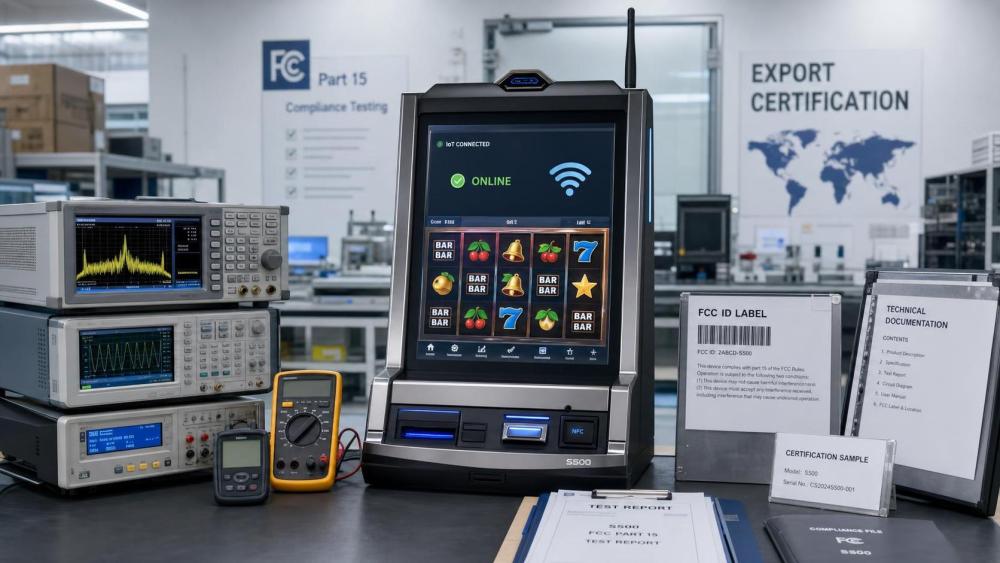
On July 28, 2026, the U.S. Federal Communications Commission (FCC) signaled a material compliance change for wireless-enabled commercial entertainment terminals by bringing EN 303 645:2026 into the mandatory certification scope under FCC Part 15 subparts. The measure, which takes effect on October 1, 2026, matters not only for product compliance teams but also for exporters, buyers, certification service providers, and delivery planners, because products that do not obtain the required certification may face import refusal or removal from sale in the U.S. market.
What the FCC notice changes
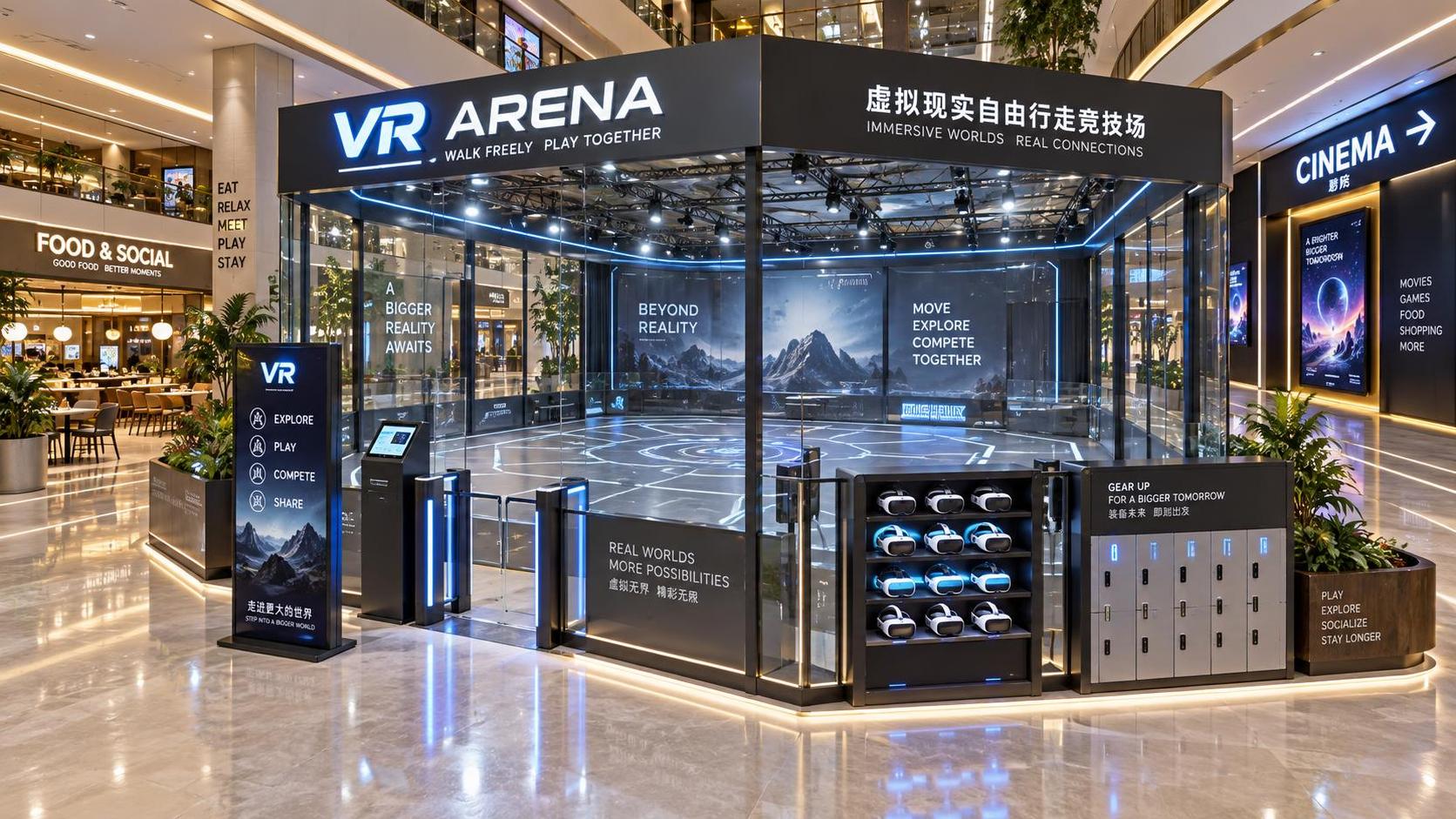
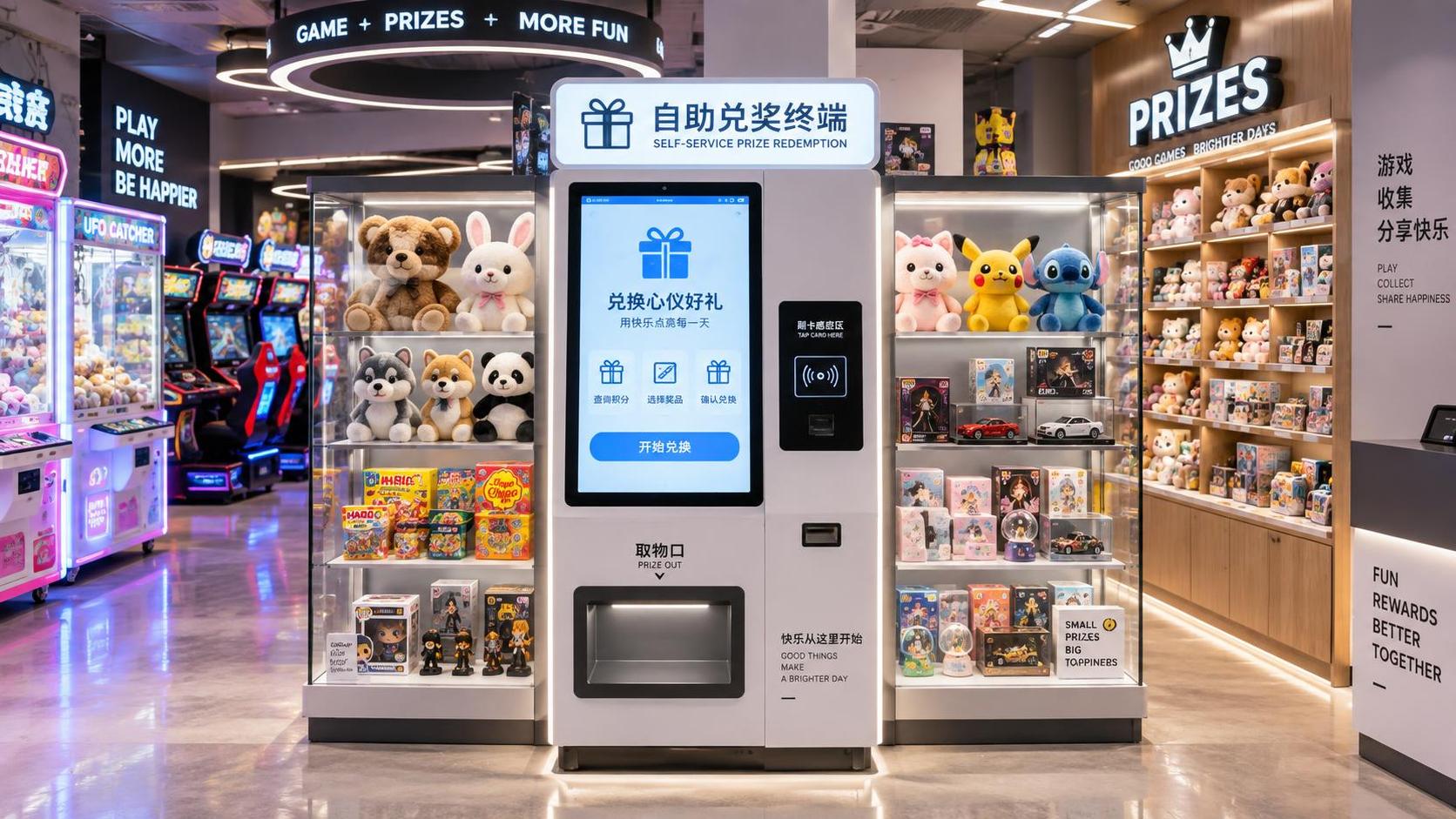
The FCC issued the notice on July 28, 2026. According to the information provided, EN 303 645:2026, identified as an IoT cybersecurity standard, has been incorporated into the mandatory certification scope under FCC Part 15 subparts. The requirement applies to all commercial entertainment terminals with wireless connectivity, including IoT Crane Claw Machines, Interactive Prize Vending, and Multiplayer VR Free-Roam products.
The new rule will take effect on October 1, 2026. Products that have not obtained certification will be refused import or removed from sale. The adjustment directly affects delivery timelines and compliance costs for Chinese exporters serving the U.S. market.
Where the pressure is likely to appear first
Export shipments to the U.S. face a tighter release path
From an industry perspective, exporters of wireless-enabled commercial entertainment equipment are likely to feel the change first because market access is now tied more directly to certification status. The practical impact is concentrated in shipment scheduling, pre-export compliance review, and the readiness of product files needed to support U.S. market entry.
Manufacturers may need to recheck product classification and documentation
Manufacturing companies involved in connected entertainment terminals should pay closer attention to whether existing product lines fall within the newly enforced scope. What deserves closer attention is the alignment between technical documents, certification materials, and the wireless functions built into each product, since the rule is framed around products with wireless connectivity rather than a narrow single product category.
Buyers and channel operators may need stronger certification screening
Procurement teams, distributors, and downstream sales channels may also be affected because uncertified products may be blocked at import or taken off the market after listing. In practice, this raises the importance of checking certification status, product documentation, and supplier compliance readiness before purchase orders, shipment release, or listing decisions are finalized.
Testing and certification service providers may see demand shift
Certification-related companies and testing service providers are likely to face more requests tied to scope confirmation, document preparation, and certification timing. Analysis shows that the commercial effect is not limited to lab work alone; it also reaches project sequencing, review lead times, and communication between exporters and U.S.-facing customers.
What companies should review now
Check whether affected product lines are already in scope
Companies supplying connected claw machines, prize vending equipment, VR free-roam systems, or similar wireless-enabled entertainment terminals should review which models are exposed to the new requirement. This is especially relevant for businesses shipping to the U.S. on existing lead times that may not have been built around the new certification condition.
Reassess certification files and technical records
Analysis shows that certification preparation should not be treated as a late-stage filing issue. Businesses should focus on whether technical files, test-related materials, and supporting compliance records are complete enough for products that now fall under the updated FCC requirement. Where internal and supplier records are split, document coordination may become a practical bottleneck.
Revisit delivery plans and purchasing schedules
Because the rule becomes effective on October 1, 2026, delivery planning deserves close attention. For exporters and buyers, the immediate concern is whether certification status, production timing, and shipment windows remain aligned. It is more appropriate to understand this as an operational planning issue as much as a regulatory one.
Monitor later wording and market-side implementation
The information provided confirms the rule change and effective date, but it does not provide further execution detail. Observably, companies should continue to watch for later official wording, certification practice, procurement requirements, and any changes in tender documents or customer-side compliance requests before treating all implementation points as settled.
Why this reads as an execution signal
Analysis shows that this development is more than a general policy direction. The inclusion of EN 303 645:2026 within a mandatory FCC certification scope, together with a stated effective date and explicit market consequences for non-certified products, makes it closer to an execution signal than a preliminary discussion point. At the same time, it would be premature to assume that every procedural detail is already transparent, since the input does not include further official implementation language.
From an industry perspective, the most important implication is that compliance, trade, and delivery planning are becoming harder to separate for connected commercial entertainment equipment entering the U.S. market. That is why the market is likely to keep watching not only regulator language but also customer requirements and certification handling in practice.
How this development is best understood
The current update is best understood as a confirmed rule change with near-term operational impact for companies supplying wireless-enabled commercial entertainment terminals to the United States. It does not support sweeping conclusions beyond the facts provided, but it clearly indicates that certification readiness may affect import access, sales continuity, delivery timing, and compliance cost control. A measured reading is that the rule has already moved into a stage where affected businesses should review execution risk rather than treat it as a distant policy topic.
Basis of this article and what still needs verification
This article is generated from the user-provided news title, event date, and event summary. For developments of this type, commonly relevant source categories may include official regulatory notices, releases from supervisory authorities, customs or trade administration information, industry association materials, standards organization documents, and reporting by established professional media.
No specific official source link was provided in the input, so the exact official link still needs to be verified on an ongoing basis. Observably, the market should continue tracking later policy detail, certification interpretation, tender document changes, industry feedback, and company-level implementation progress before drawing firmer conclusions about how the rule will be enforced in practice.
Related News
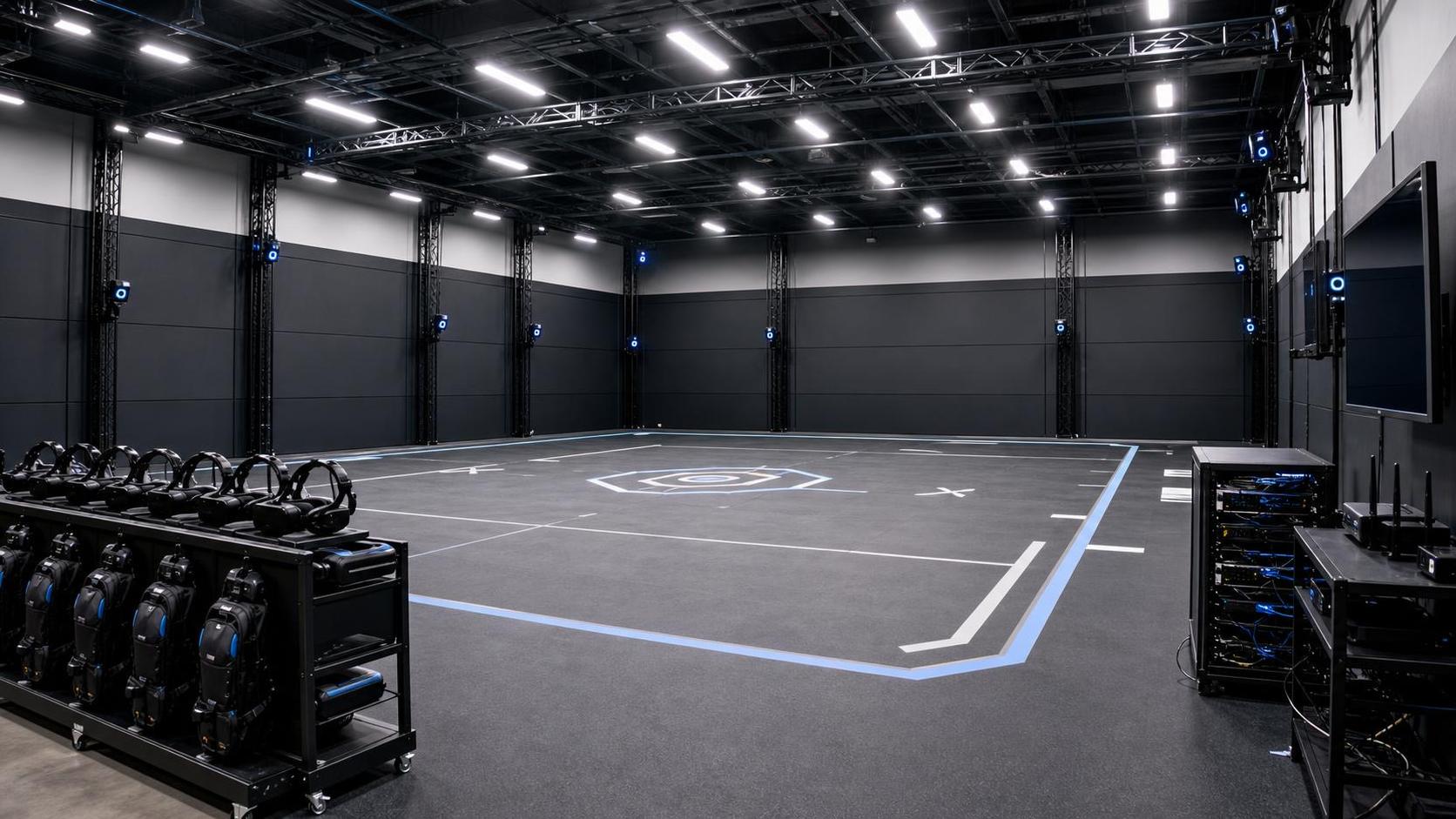
 Multiplayer VR Free-RoamHow Malls Can Evaluate VR Free-Roam Arenas for Footfall, Dwell Time, and ROIVR free-roam arenas for malls: learn how to assess footfall, dwell time, throughput, operating costs, and ROI for a profitable leisure investment.
 Interactive Prize VendingHow to Select Smart Prize Systems for Higher FEC Redemption RevenueSmart prize systems help FECs increase redemption revenue, streamline inventory, reduce queues, and create better guest experiences. Discover key selection strategies.
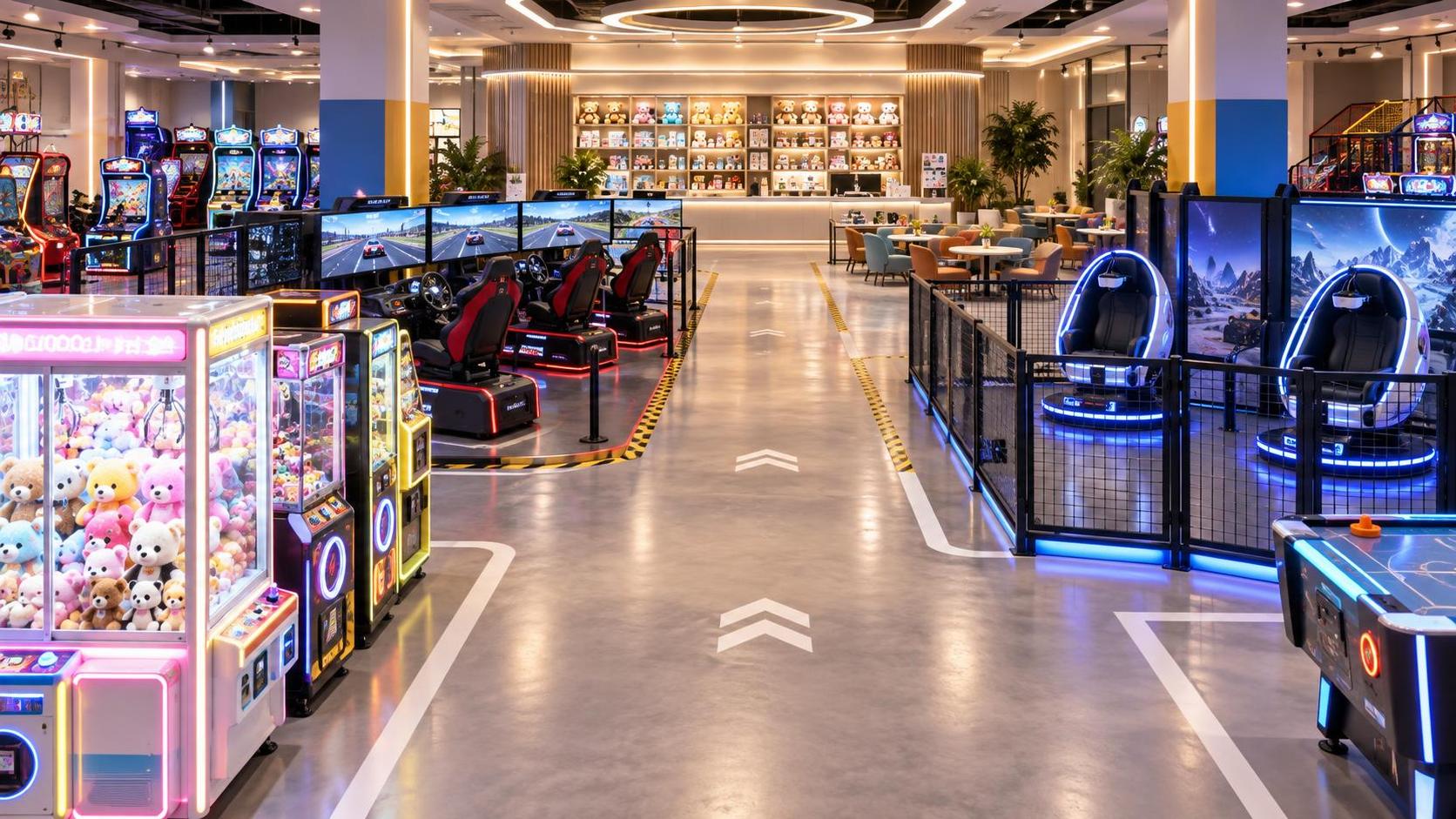
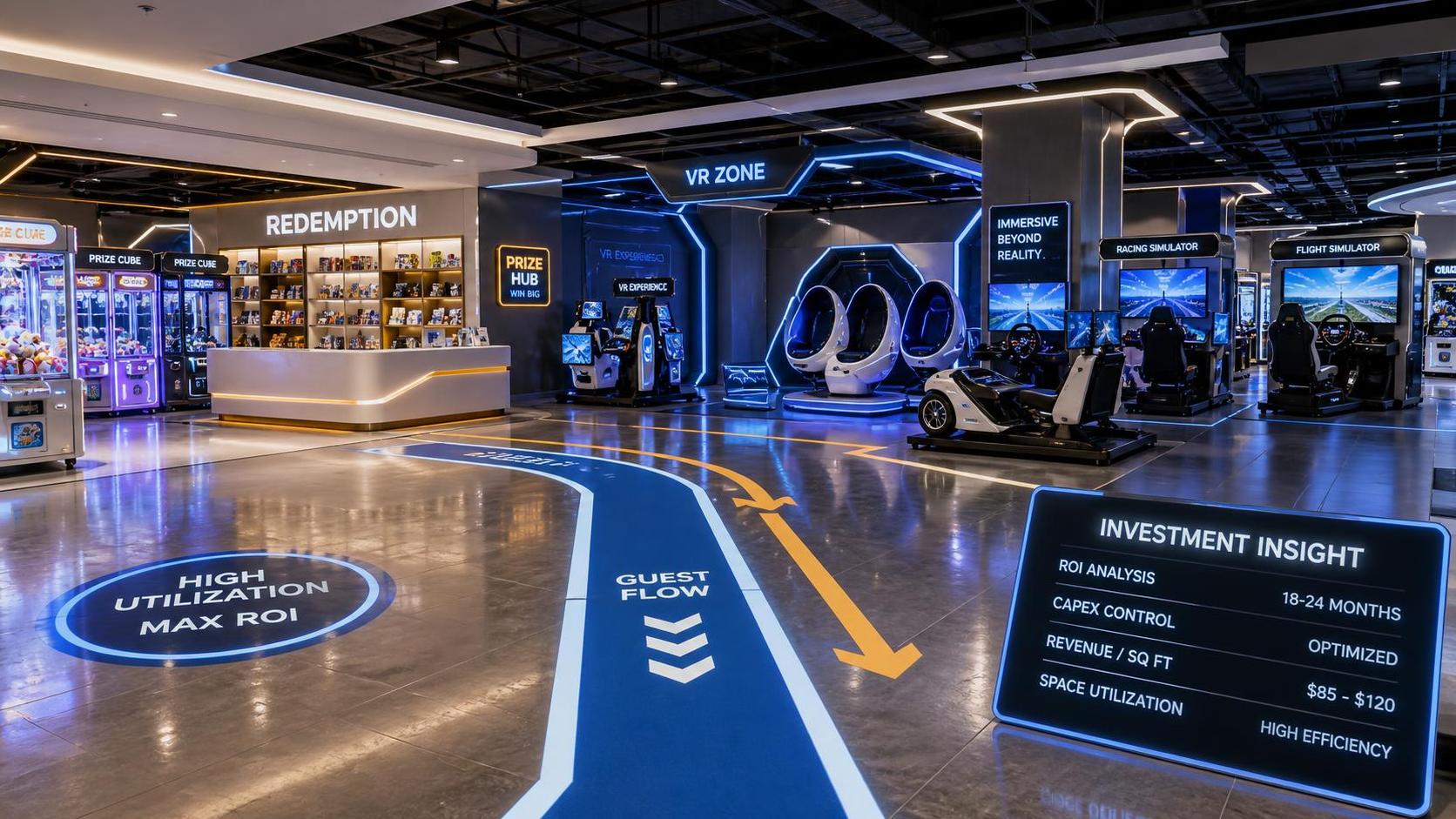
 FEC Capital & Yield per Sq.FtHow to Select Family Entertainment Center Equipment for Your Floor Plan and Revenue MixFamily entertainment center equipment selection made smarter: align floor plans, guest flow, capacity, utilities, and revenue mix to create a profitable, flexible venue.
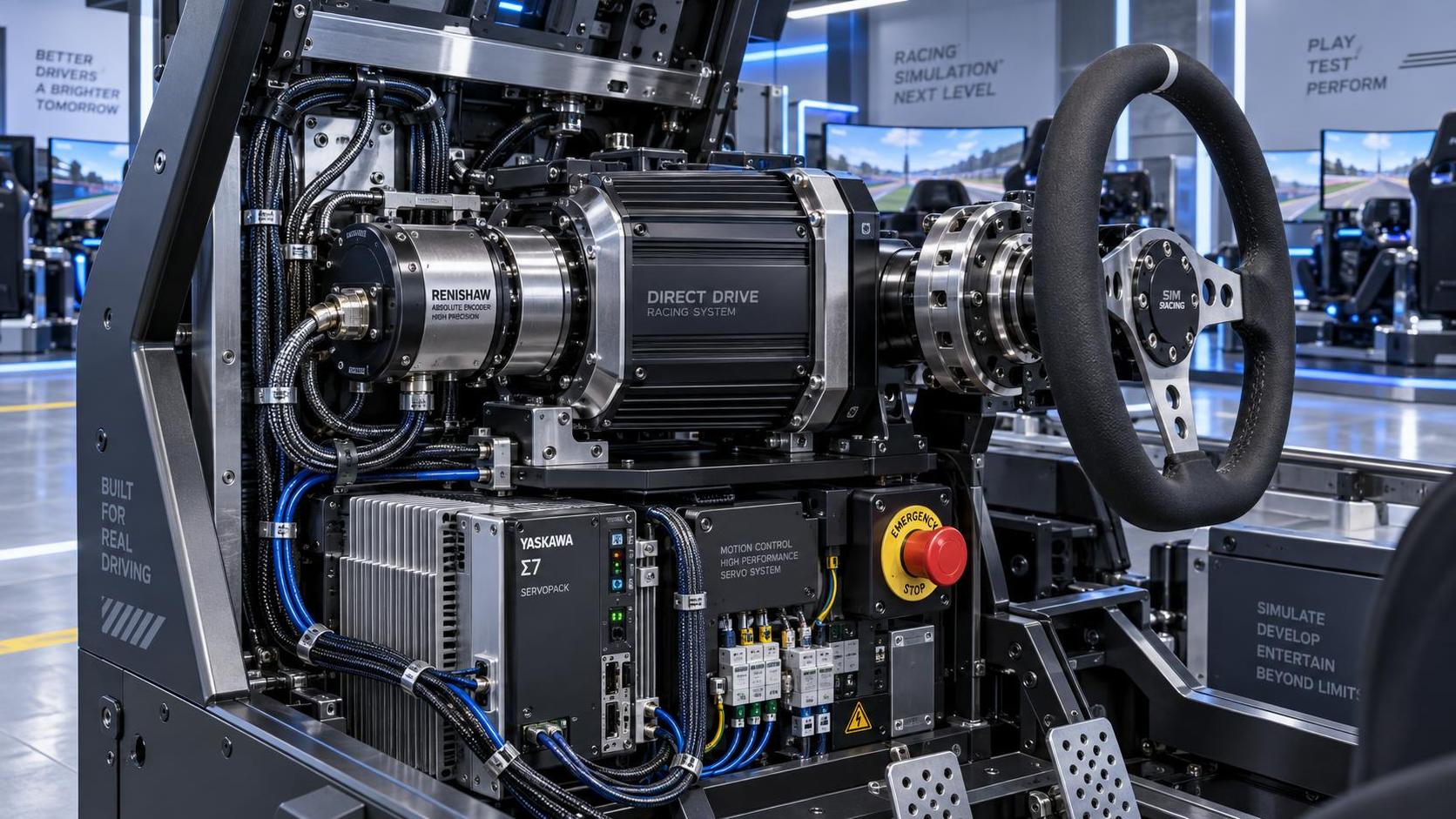
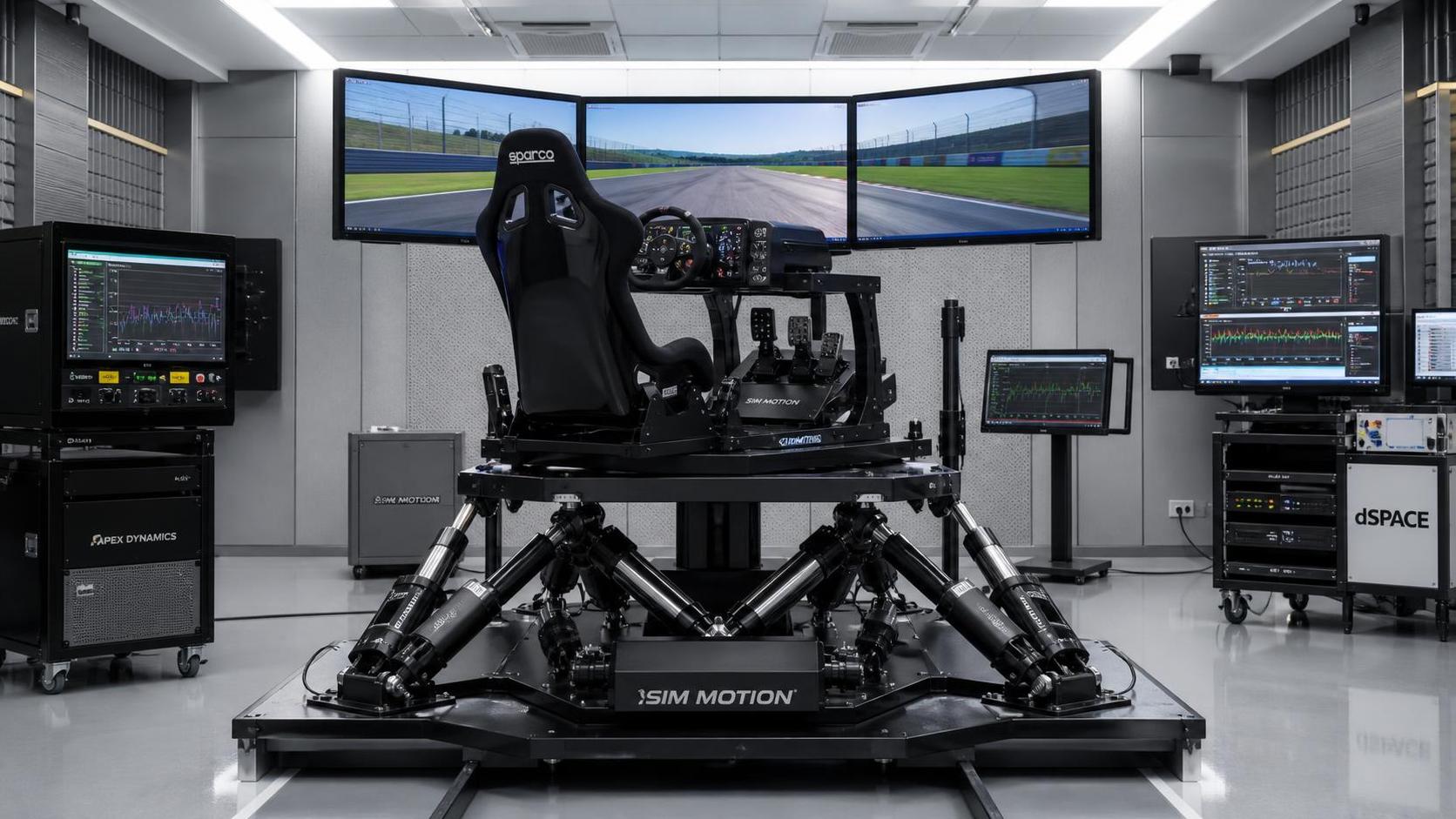
 Direct Drive Wheels & PedalsWhat Determines Direct Drive Motor Prices for Arcade Racing Simulators?Direct Drive motors price depends on torque, encoders, controllers, durability, and support. Learn how to compare arcade racing simulator systems for better value.
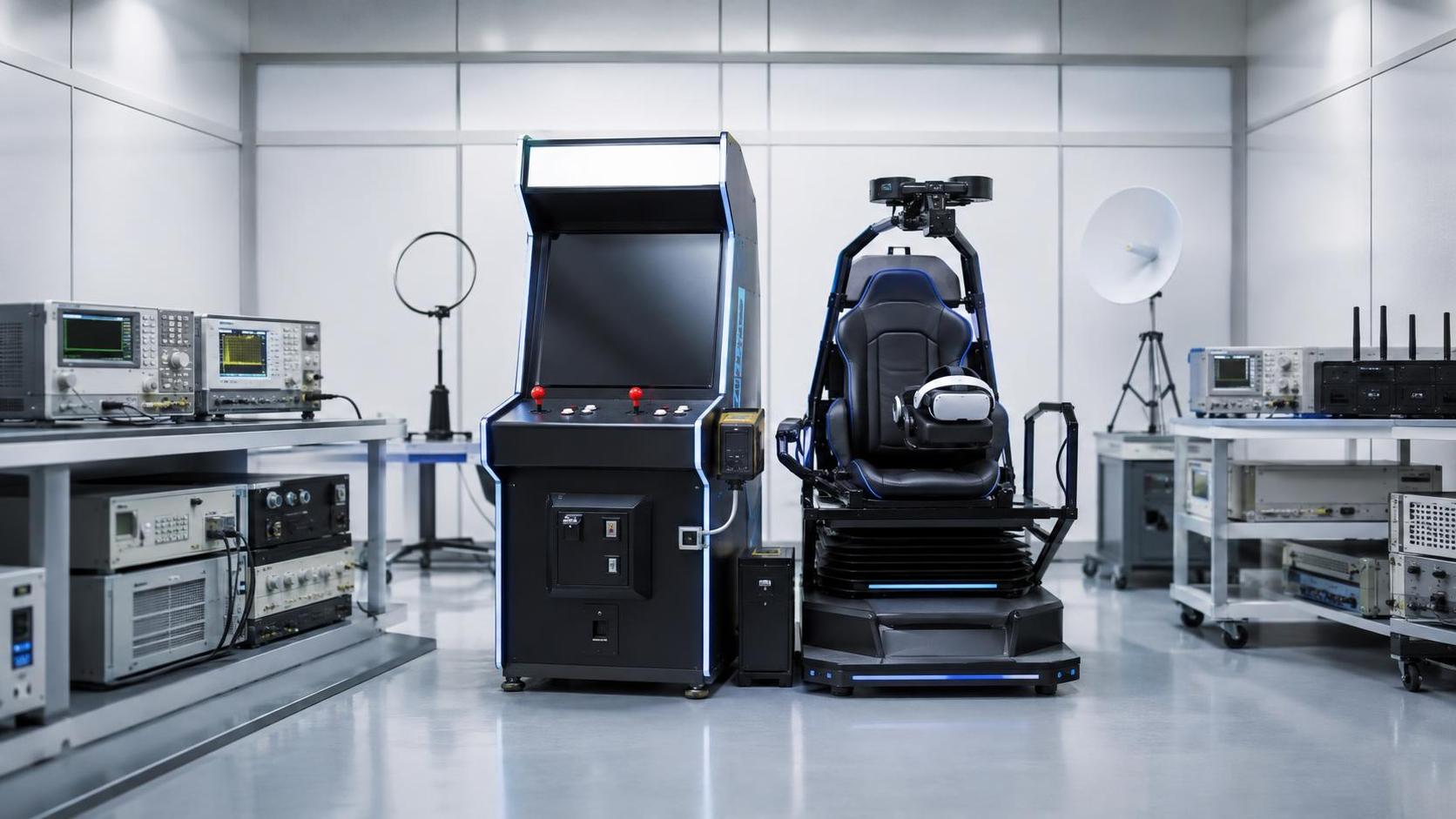
 CE/FCC & IoT Data SecurityCE Certification for Amusement Equipment: Tests, Documents, and EU Market AccessAmusement equipment certification Europe: discover CE tests, technical documents, safety standards, and practical steps for confident EU market access.
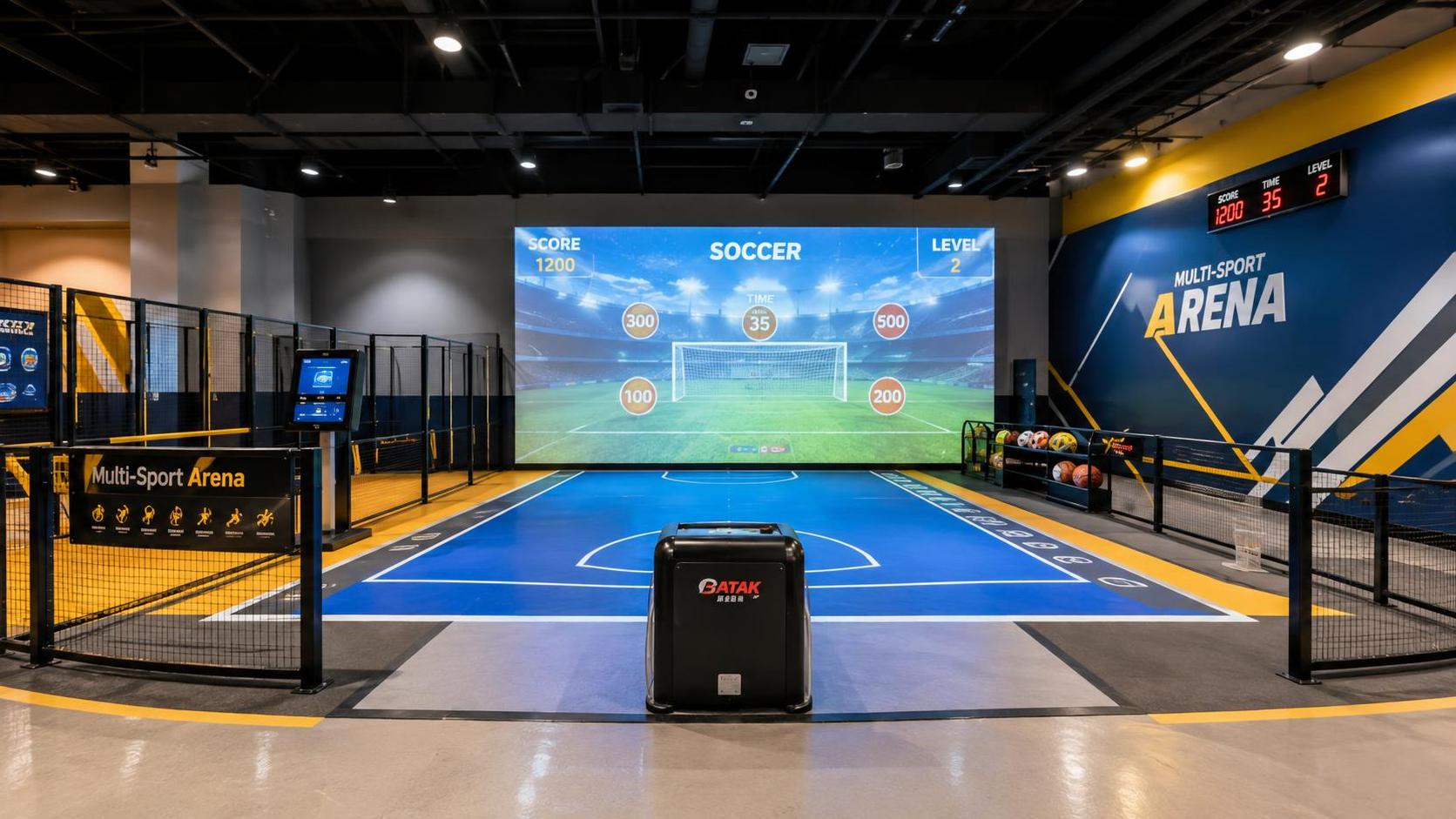
 Interactive Wall Projection SportsInteractive Sports Entertainment Systems: Key Selection Criteria for FECsInteractive sports entertainment systems: discover key FEC selection criteria for player flow, revenue, maintenance, integration, safety, and guest appeal.
 CE/FCC & IoT Data SecurityEntertainment Technology Export: CE, FCC, and IoT Compliance for Global SalesEntertainment technology export made simpler: learn how CE, FCC, and IoT compliance support safer global sales, connected systems, and market-ready deployment.
 FEC Capital & Yield per Sq.FtHow Arcade Data Analytics Software Improves FEC Revenue per Square FootArcade data analytics software helps FECs increase revenue per square foot by reducing downtime, optimizing game mix, pricing, payouts, and floor-space performance.
 FEC Capital & Yield per Sq.FtWhat Is a Healthy Arcade Venue Revenue per Square Foot? Benchmarks and DriversVenue Revenue Per Square Foot arcade benchmarks explained: compare productive space, costs, machine yield, and key drivers to build a healthier, more profitable venue.
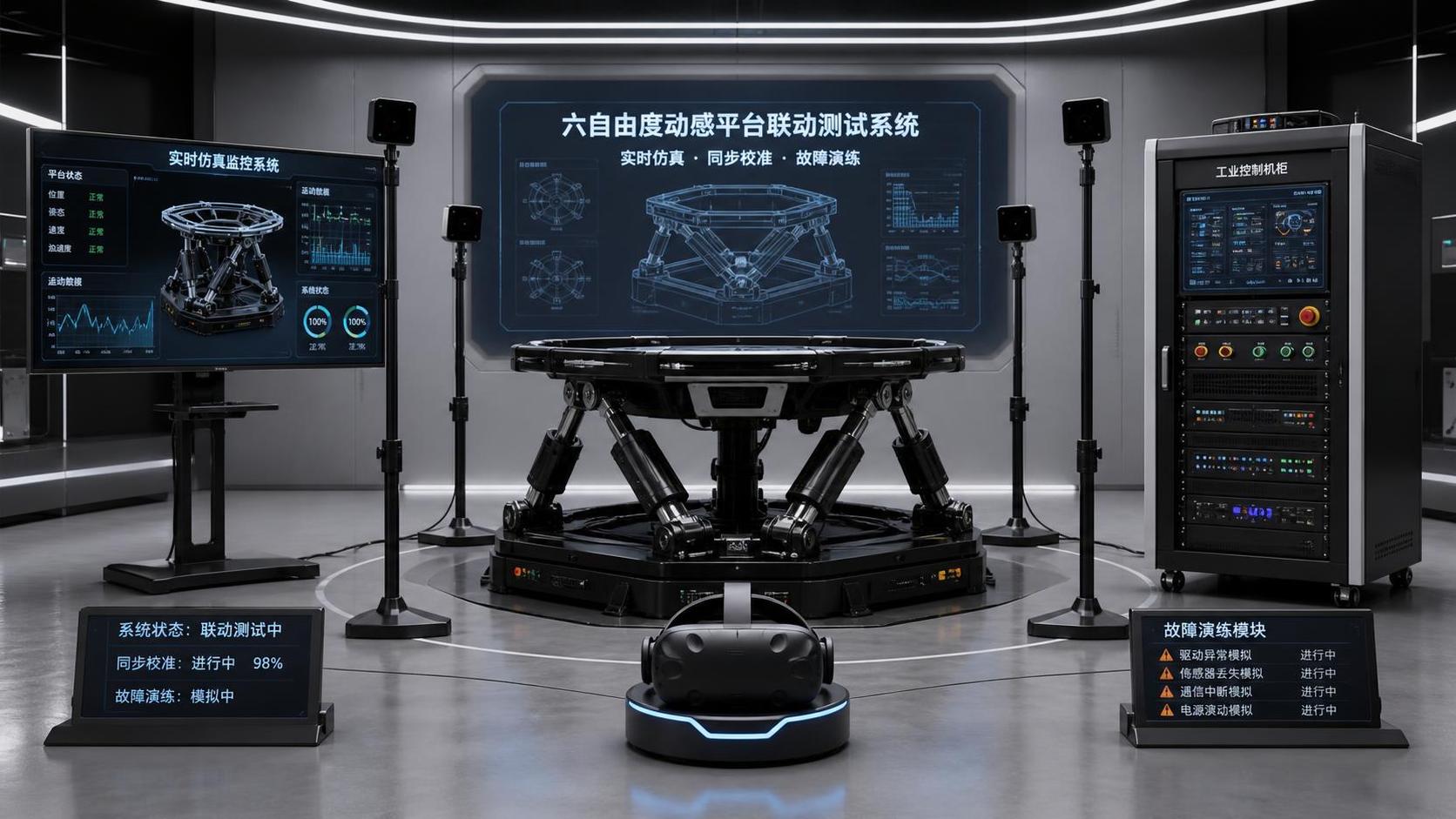
 Multiplayer VR Free-RoamMultiplayer Headset Integration Technology: Syncing Audio, Tracking, and SessionsHeadset Integration Technology multiplayer solutions synchronize audio, tracking, and sessions to improve VR venue safety, uptime, and player experiences.
 FEC Capital & Yield per Sq.FtHow to Evaluate a Networked Arcade Machine for Multi-Location FEC OperationsNetworked arcade machine evaluation guide for multi-location FECs: assess connectivity, cashless integration, remote controls, uptime, and scalable deployment.
 String Pinsetter BowlingHow to Evaluate a Bowling System Technology Supplier for FEC ProjectsBowling system technology supplier guide for FEC projects: evaluate integration, scoring, service support, compliance, and total operating cost.
 FEC Capital & Yield per Sq.FtHow Arcade Data Analytics Helps FEC Operators Improve Revenue per Square FootArcade data analytics helps FEC operators raise revenue per square foot by optimizing machine mix, pricing, uptime, payouts, and guest flow.
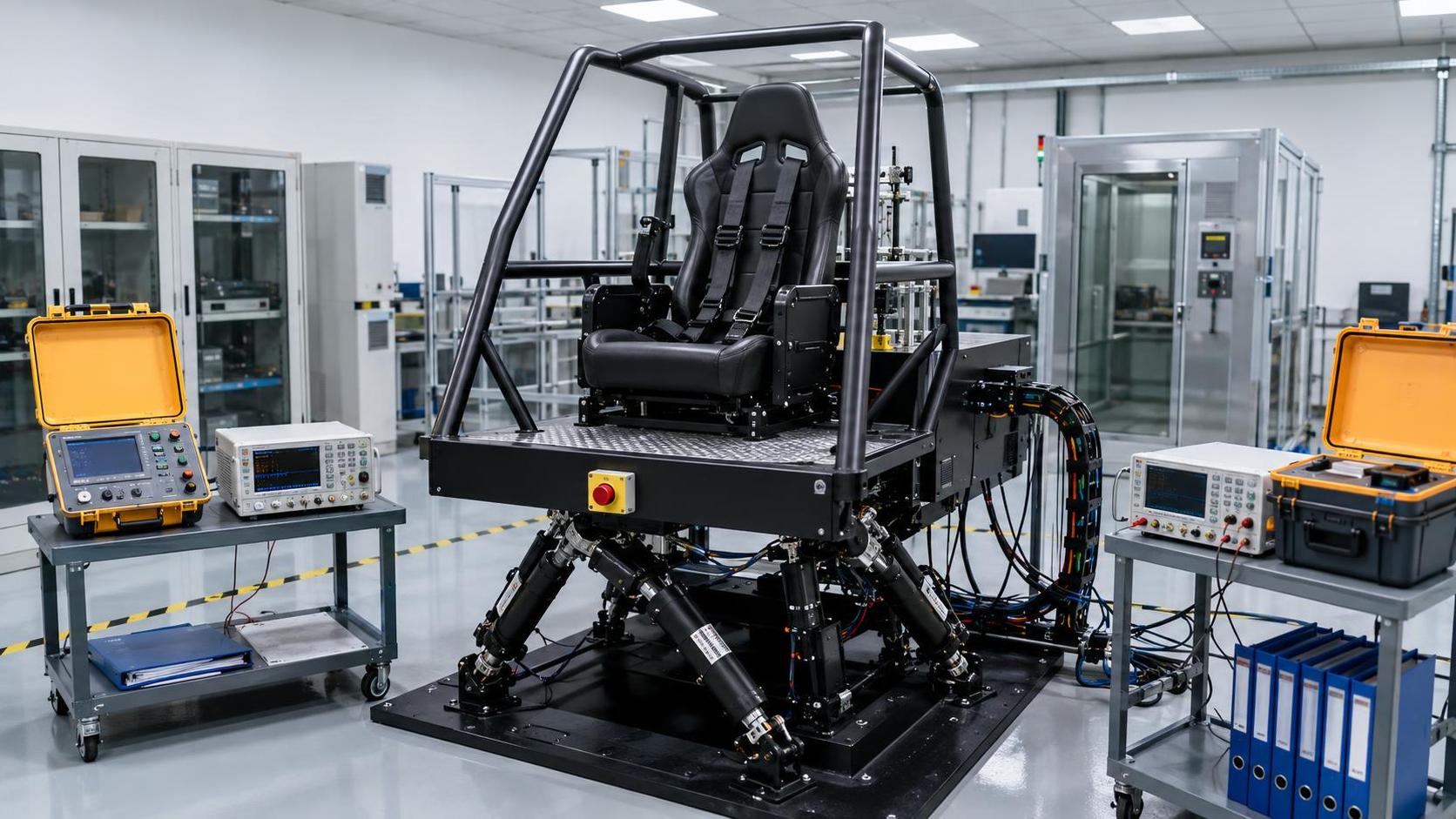
 6-DOF Racing SimulatorsHow Telemetry Systems Improve Driver Feedback in Immersive Racing SimulatorsImmersive racing systems telemetry transforms live vehicle data into precise steering, pedal, motion, and haptic feedback—helping operators deliver realistic, reliable, and engaging driver experiences.
 CE/FCC & IoT Data SecurityBuying Arcade Machines in Germany: CE Compliance, VAT, and Venue FitArcade machine Germany buying guide: understand CE compliance, VAT, landed costs, payment systems, venue fit, and service planning before you invest.
 Flight & Mech SimulatorsDigital Simulation Systems: Validating Performance Before Physical PrototypingDigital simulation technology systems help validate performance, safety, controls, and user experience before physical prototyping—reducing risks, rework, and costs.
 FEC Capital & Yield per Sq.FtArcade Profit Optimization Strategy: How FEC Owners Improve Yield per Sq.FtArcade profit optimization strategy for FEC owners: learn how to boost yield per sq.ft through smarter layout, payout control, uptime analysis, and better equipment mix.
 FEC Capital & Yield per Sq.FtArcade Equipment Supplier Trends: What FEC Buyers Should Watch in 2025Arcade equipment innovation supplier trends in 2025 reveal what FEC buyers must watch: connected systems, software stability, mechanical reliability, and smarter supplier selection.
 Multiplayer VR Free-RoamHow Real Time Motion Capture Technology Improves Immersive VR AttractionsReal time motion capture technology helps VR attractions boost immersion, reduce latency issues, improve multiplayer interaction, and support smoother venue operations.
 Multiplayer VR Free-RoamHow to Choose Commercial VR Arena Software for Multiplayer Free-Roam VenuesCommercial VR arena software buyer guide: learn how to compare tracking, multiplayer stability, operator workflow, hardware fit, and support for profitable free-roam venues.
 Spatial Computing & 6-DOFHow Real Time Simulation Technology Improves Training Accuracy in VR AttractionsReal time simulation technology helps VR attractions improve training accuracy, reduce faults, and strengthen safety, uptime, and guest experience—see how smarter training boosts venue performance.
 FEC Capital & Yield per Sq.FtHow to Evaluate Venue Investment ROI: Traffic, CapEx, Payback, and Yield per Sq.FtVenue Investment Analysis made practical: learn how to assess traffic quality, CapEx, payback, and yield per sq.ft to spot profitable venues, reduce risk, and invest with confidence.
 6-DOF Racing SimulatorsHow to Fix Racing Simulator Telemetry Synchronization Issues in 6-DOF Motion SetupsRacing simulator telemetry synchronization issues in 6-DOF setups? Learn how to diagnose latency, filters, mapping, network, and mechanical faults for smoother, more accurate motion.
 FEC Capital & Yield per Sq.FtHow to Evaluate Amusement Equipment Suppliers for FEC Safety, Support, and ROIAmusement equipment suppliers can make or break FEC safety, uptime, and ROI. Learn how to compare compliance, support, reliability, and lifecycle value before you buy.
 Multiplayer VR Free-RoamHow to Evaluate VR Free-Roam Matrices for Multiplayer Arena Design?VR free-roam matrices for multiplayer arenas: learn how to compare tracking stability, safety logic, latency, software fit, and reset efficiency before choosing a reliable commercial system.
 Interactive Prize VendingWhat Is a Ticket Redemption Prize Machine and How It Works in Family Entertainment CentersTicket redemption prize machine explained: learn how it works in family entertainment centers, how payouts and prizes drive ROI, and what operators should evaluate before buying.
 FEC Capital & Yield per Sq.FtHow to Estimate Amusement Venue ROI Benchmarks Before Opening a New FECAmusement venue ROI benchmark guide for new FEC planning: estimate capex, revenue, payback, and hidden operating costs to avoid costly mistakes before opening.
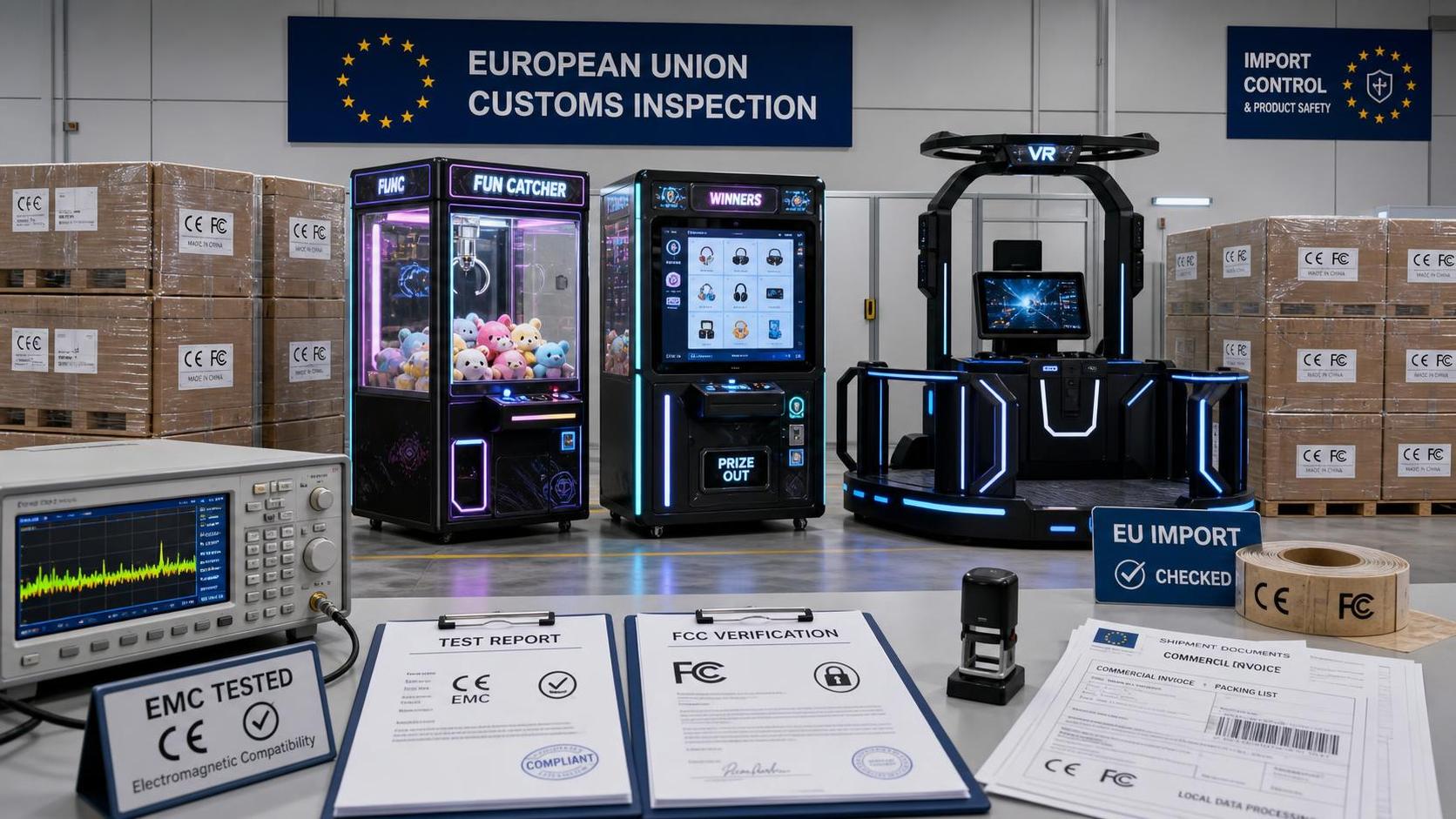
 CE/FCC & IoT Data SecurityEU Enforcement Begins on CE/FCC and GDPR Compliance for IoT Entertainment DevicesEU customs now enforces CE, FCC, and GDPR compliance for IoT entertainment devices—learn what exporters and importers must do to avoid delays, returns, and border rejection.
 Spatial Computing & 6-DOFWhat to Consider When Choosing a 6-DOF Platform for VR Simulator Projects6-DOF platform for VR simulator projects: learn what really matters in motion accuracy, safety, integration, and long-term performance before you choose.
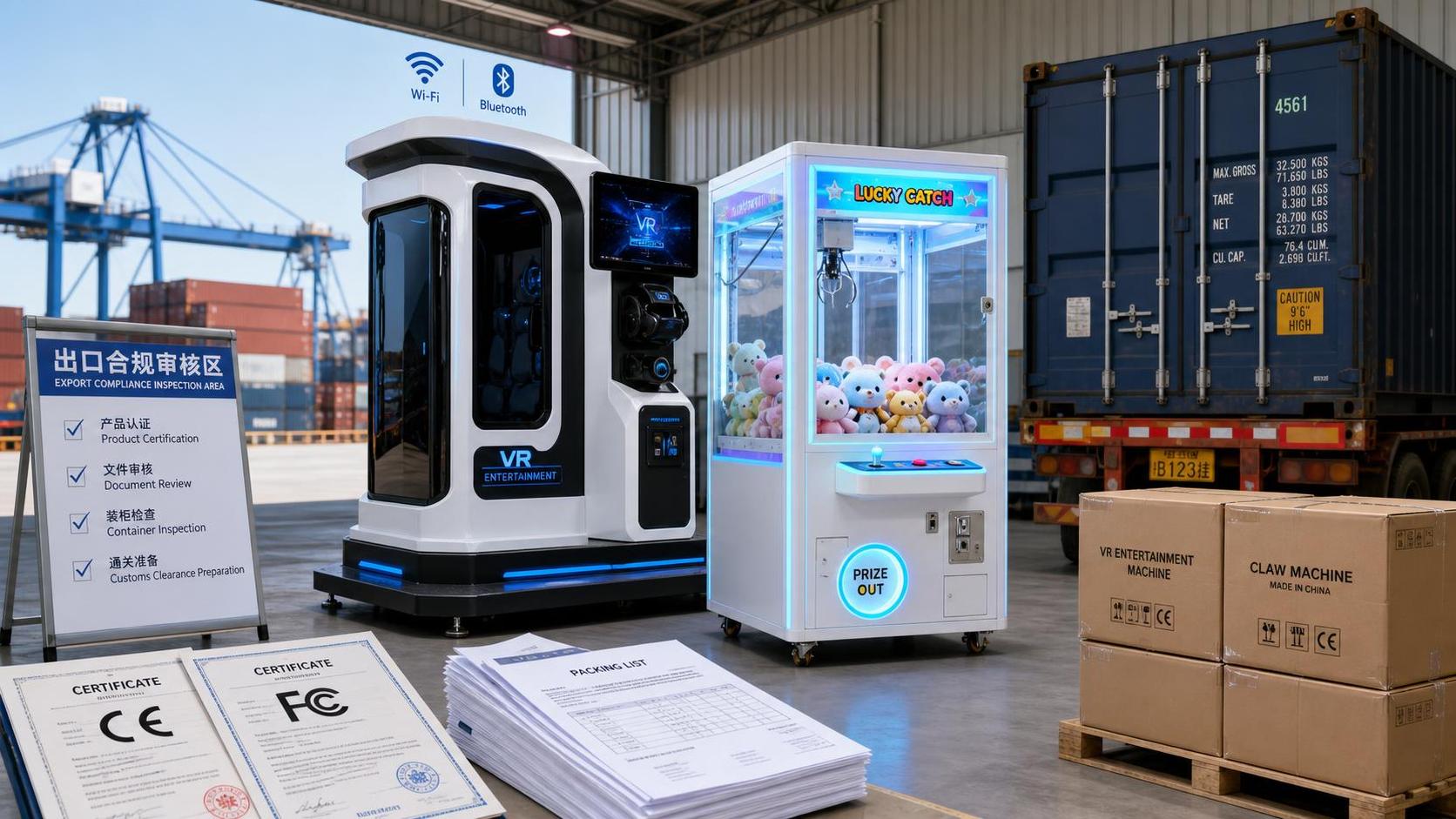
 CE/FCC & IoT Data SecurityChina Customs Tightens Data Review for IoT Entertainment Device ExportsChina Customs tightens export checks on IoT entertainment devices with CE/FCC and data filing rules, raising clearance risks and delays.
Related News
- 00
0000-00
How Malls Can Evaluate VR Free-Roam Arenas for Footfall, Dwell Time, and ROI - 00
0000-00
How to Select Smart Prize Systems for Higher FEC Redemption Revenue - 00
0000-00
How to Select Family Entertainment Center Equipment for Your Floor Plan and Revenue Mix - 00
0000-00
What Determines Direct Drive Motor Prices for Arcade Racing Simulators? - 00
0000-00
CE Certification for Amusement Equipment: Tests, Documents, and EU Market Access
Amusement Terminal Architect
Strategic Intelligence Center