
China-Uzbekistan AEO Mutual Recognition Takes Effect
Author
Date Published
Reading Time
On 2026-08-01, China and Uzbekistan formally implemented mutual recognition of Authorized Economic Operator (AEO) status. For Chinese advanced-certified exporters involved in entertainment equipment such as IoT claw machines, connected dart machines, and VR free-roam systems, the new arrangement is especially relevant because it changes how shipments into Uzbekistan may be handled at customs and what compliance details importers and exporters need to get right.
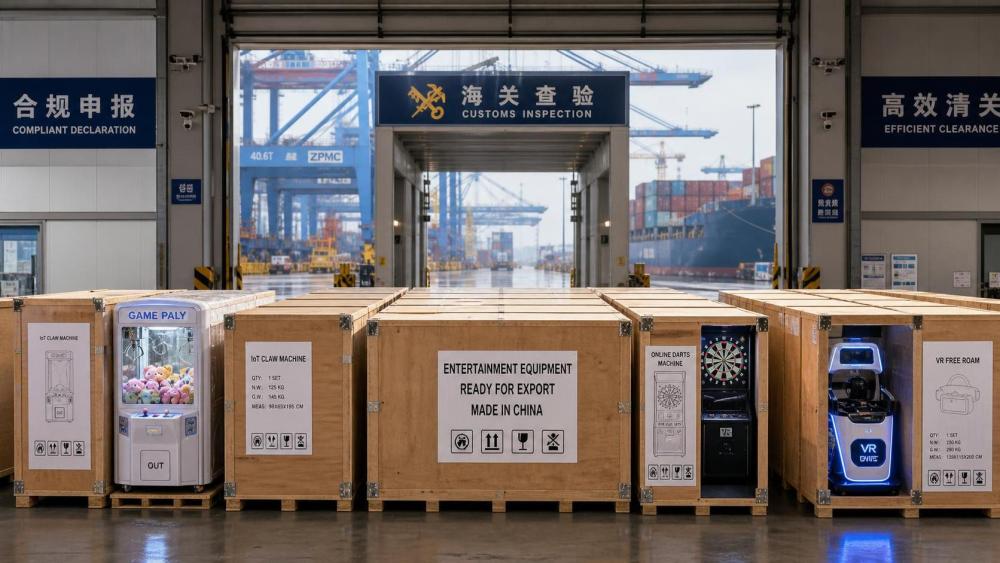
What is confirmed in the new customs arrangement
From 2026-08-01, the China-Uzbekistan customs AEO mutual recognition system entered into force. Under the arrangement, Chinese advanced-certified enterprises exporting to Uzbekistan may benefit from a lower inspection rate, priority inspection, a dedicated liaison officer, and priority customs clearance after disasters. For Uzbek importers, declarations must use the Chinese AEO code in the format AEOCN+9-digit entity code. For Chinese import declarations, the Uzbek AEO code must be entered accurately in the format UZB/XXXXXXX/III.
Where the operational impact is most likely to appear
Cross-border manufacturers and direct exporters
For manufacturers shipping entertainment equipment to Uzbekistan, the main impact is on customs processing and document accuracy. If AEO status is recognized and the code is declared correctly, the shipment may move through inspection and clearance with less friction. That matters most at the export documentation stage, where code format, consignee data, and customs declarations must align.
Importers and local trading partners
Uzbek importers now need to pay closer attention to the Chinese AEO code used in declarations. The practical issue is not commercial demand but compliance: a code entry error can undermine the expected clearance benefit. Trading partners on both sides will likely need tighter internal checks on customs data before filing.
Logistics and customs service providers
Freight forwarders, customs brokers, and related service providers are directly exposed because the arrangement depends on correct declaration handling. Their workload may shift from routine filing toward verification of AEO status, code structure, and document consistency. For service providers, the key change is that customs accuracy becomes more commercially sensitive.
Downstream entertainment venues and buyers
For end users buying imported entertainment equipment in Uzbekistan, the immediate effect is indirect. The policy does not change the product itself, but it may affect delivery timing and customs predictability for imported machines. That makes procurement planning and installation schedules more dependent on documentation quality upstream.
What companies should pay attention to now
Check AEO status and code formats before shipment
Companies should verify whether the exporter qualifies as a Chinese advanced-certified enterprise and confirm that the AEO code is recorded in the required format. The same applies to Uzbek counterparties on the import side. This is a basic control point, but under the new arrangement it becomes a practical prerequisite for using the mutual recognition benefits.
Separate policy signal from day-to-day execution
Analysis shows this is both an operational change and a signal of closer customs coordination. At the same time, the policy benefit only translates into real clearance efficiency when declarations, consignee details, and customs codes are entered correctly. The policy intent and the actual shipment outcome are not the same thing.
Focus on repeat shipments and high-frequency routes
What deserves closer attention is not a one-off shipment, but recurring trade flows into Uzbekistan. For businesses exporting connected entertainment equipment, the value of the arrangement is more likely to show up in repeated customs handling than in a single isolated transaction. That makes route stability, internal filing discipline, and customer communication more important.
Keep watch for later official clarifications
Because the input information only confirms the mutual recognition taking effect and the code formats, companies should continue to monitor whether customs authorities release further procedural guidance. Any later clarification on filing practice, verification steps, or scope would matter for execution, even if the core arrangement itself is already in force.
How to read this development
Observably, this is best understood as a concrete customs facilitation measure rather than a broad market expansion story. It may reduce friction for eligible exporters and their import partners, but its commercial value will depend on how well companies handle compliance details at the declaration stage. For now, the more cautious reading is that this is a practical trade facilitation step with immediate operational relevance and a longer-term signal of deeper customs coordination.
Source basis and follow-up
This article was generated from the user-provided news title, event date, and event summary. No specific official source link was provided in the input. Related source types for verification would typically include official customs announcements, company notices, industry association updates, authoritative media reports, and relevant standard or policy documents. Further monitoring should focus on any later procedural clarification from the relevant customs authorities and on how the declared AEO code formats are applied in actual filings.
Related News
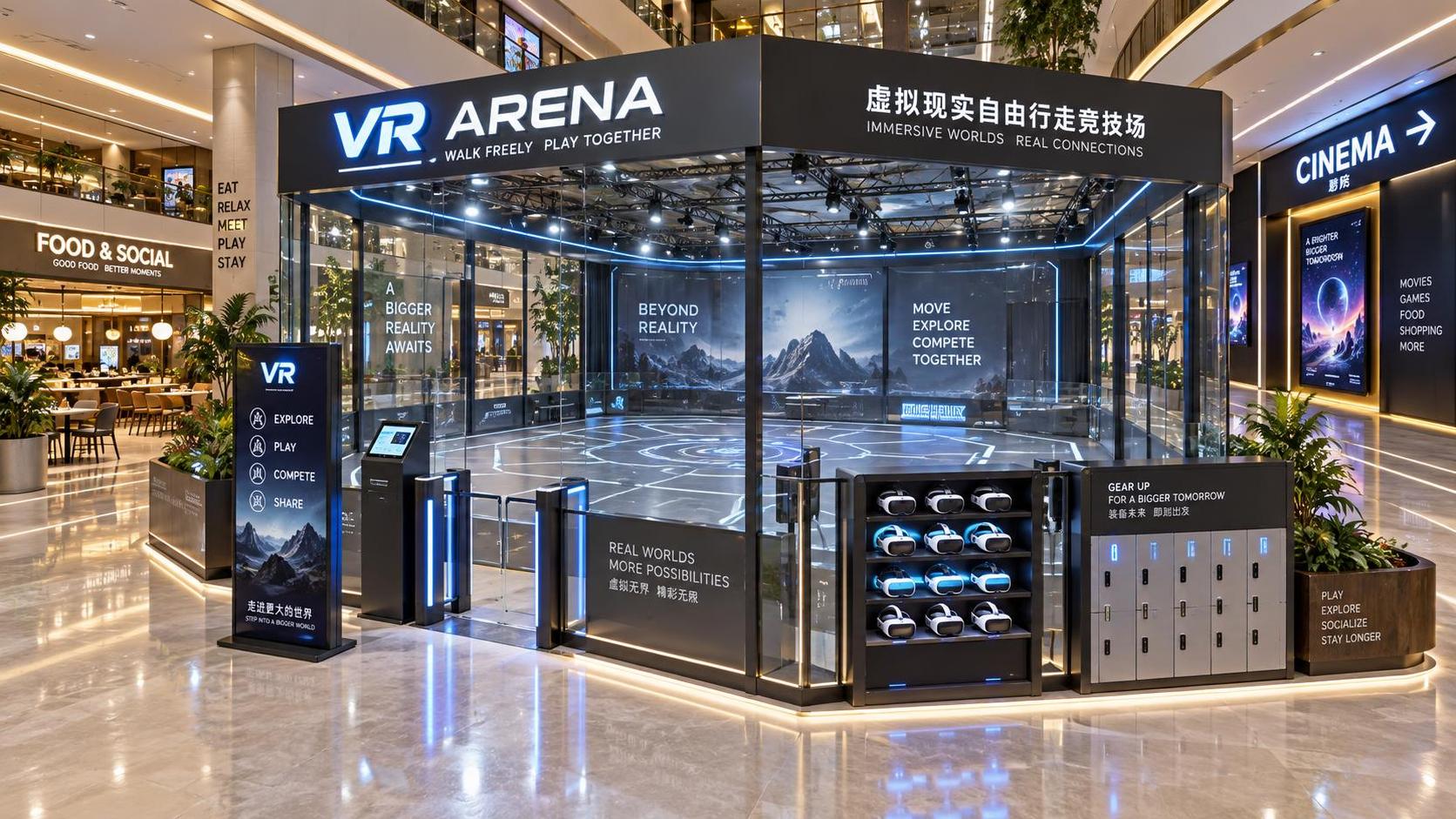
 Multiplayer VR Free-RoamDesigning a Mall VR Venue: Layout, Throughput, Safety, and Revenue FactorsVR venue design for malls: optimize layout, throughput, safety, and revenue with practical planning strategies for a high-performing attraction.
 Multiplayer VR Free-RoamHow to Evaluate VR Gaming Technology for High-Throughput Location-Based VenuesVR gaming technology evaluation guide for high-throughput venues—optimize player flow, reliability, safety, maintenance, and ROI.
 6-DOF Racing SimulatorsHow to Synchronize Motion Simulator Telemetry for Consistent Vehicle ResponseMotion simulator telemetry synchronization: learn how to align vehicle data, visuals, haptics, and platform motion for safer, smoother, and more consistent driving response.
 FEC Capital & Yield per Sq.FtWhat Does High-Tech Amusement Equipment Cost When Budgeting a New FEC?High-tech amusement equipment cost explained for new FECs—plan smarter for purchase, installation, software, maintenance, and profitable attraction mix.
 Interactive Wall Projection SportsAre Interactive Projection Systems Reliable in Bright Venues?Are projection display systems reliable in bright venues? Explore proven strategies for clear visuals, accurate tracking, surface preparation, and dependable interactive performance.
 FEC Capital & Yield per Sq.FtWhat Equipment Mix Works Best for a Family Entertainment Center?What equipment mix works for a family entertainment center? Discover how to balance arcade games, redemption, social play, and anchor attractions for stronger revenue.
 Multiplayer VR Free-RoamHow Can VR Venues Reduce Motion Sickness for Players?How can VR venues reduce motion sickness? Discover practical strategies for smoother, safer VR sessions that improve guest comfort, reviews, repeat visits, and revenue.
 FEC Capital & Yield per Sq.FtHow to Assess Premium FEC Equipment for High-Throughput Venues in Saudi ArabiaPremium FEC equipment Saudi Arabia: assess throughput, integration, safety, and supplier support to build profitable, high-performing entertainment venues.
 FEC Capital & Yield per Sq.FtHow to Select Entertainment Venue Planning Software for Multi-Attraction ProjectsEntertainment venue planning software selection guide for multi-attraction projects—compare equipment data, guest flow, compliance, utilities, and ROI tools.
 Precision Slate Billiard TablesHow Networked Billiards Help Pubs Increase Repeat Play and Venue RevenueNetworked billiards for pubs turn casual games into repeat visits, longer stays, and stronger food-and-drink revenue. Discover practical strategies for bookings, leagues, and data-led growth.
 FEC Capital & Yield per Sq.FtWhat Defines a Successful Digital Entertainment Hub in the U.S. Market?Digital entertainment hubs USA succeed through smart attraction mixes, cashless systems, reliable operations, and repeat-visit design. Explore the strategies driving profitable venues.
 FEC Capital & Yield per Sq.FtHow to Use an Arcade Performance Optimization Dashboard to Improve FEC RevenueDiscover how an arcade performance optimization dashboard helps FECs increase revenue, reduce downtime, protect margins, and optimize floor performance.
 FEC Capital & Yield per Sq.FtHow to Calculate VR Amusement Venue ROI Before Investing in a Free-Roam AttractionVR amusement venue ROI: learn how to model capital costs, sellable sessions, operating expenses, break-even points, and payback before investing in a free-roam attraction.
 Precision Slate Billiard TablesHow Camera Scoring for Billiards Improves Match Accuracy and Player ExperienceCamera scoring for billiards improves match accuracy, reduces disputes, and creates a smoother player experience. Explore smarter scoring, integration, and venue-ready setup insights.
 Direct Drive Wheels & PedalsHow Dynamic Force Feedback Steering Improves Realism in Racing SimulatorsDynamic force feedback steering makes racing simulators more realistic with responsive torque, grip cues, low-latency control, and safer, immersive driving feedback.
 Multiplayer VR Free-RoamHow to Select a High-Immersion Motion Platform for Location-Based VR AttractionsHigh-immersion motion platforms: learn how to match motion quality, VR content, safety, throughput, and maintenance for profitable location-based VR attractions.
 Multiplayer VR Free-RoamHow Malls Can Evaluate VR Free-Roam Arenas for Footfall, Dwell Time, and ROIVR free-roam arenas for malls: learn how to assess footfall, dwell time, throughput, operating costs, and ROI for a profitable leisure investment.
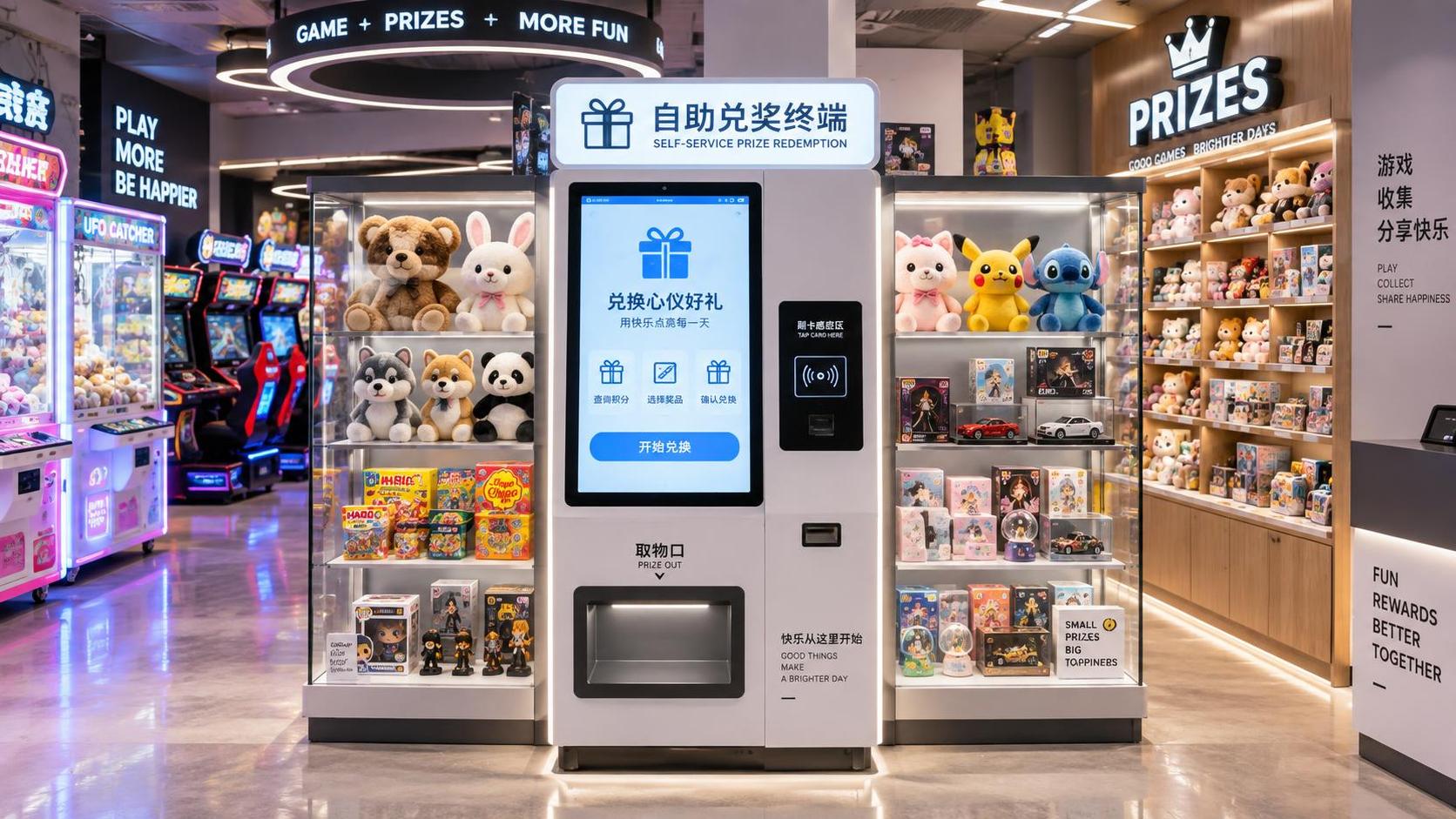
 Interactive Prize VendingHow to Select Smart Prize Systems for Higher FEC Redemption RevenueSmart prize systems help FECs increase redemption revenue, streamline inventory, reduce queues, and create better guest experiences. Discover key selection strategies.
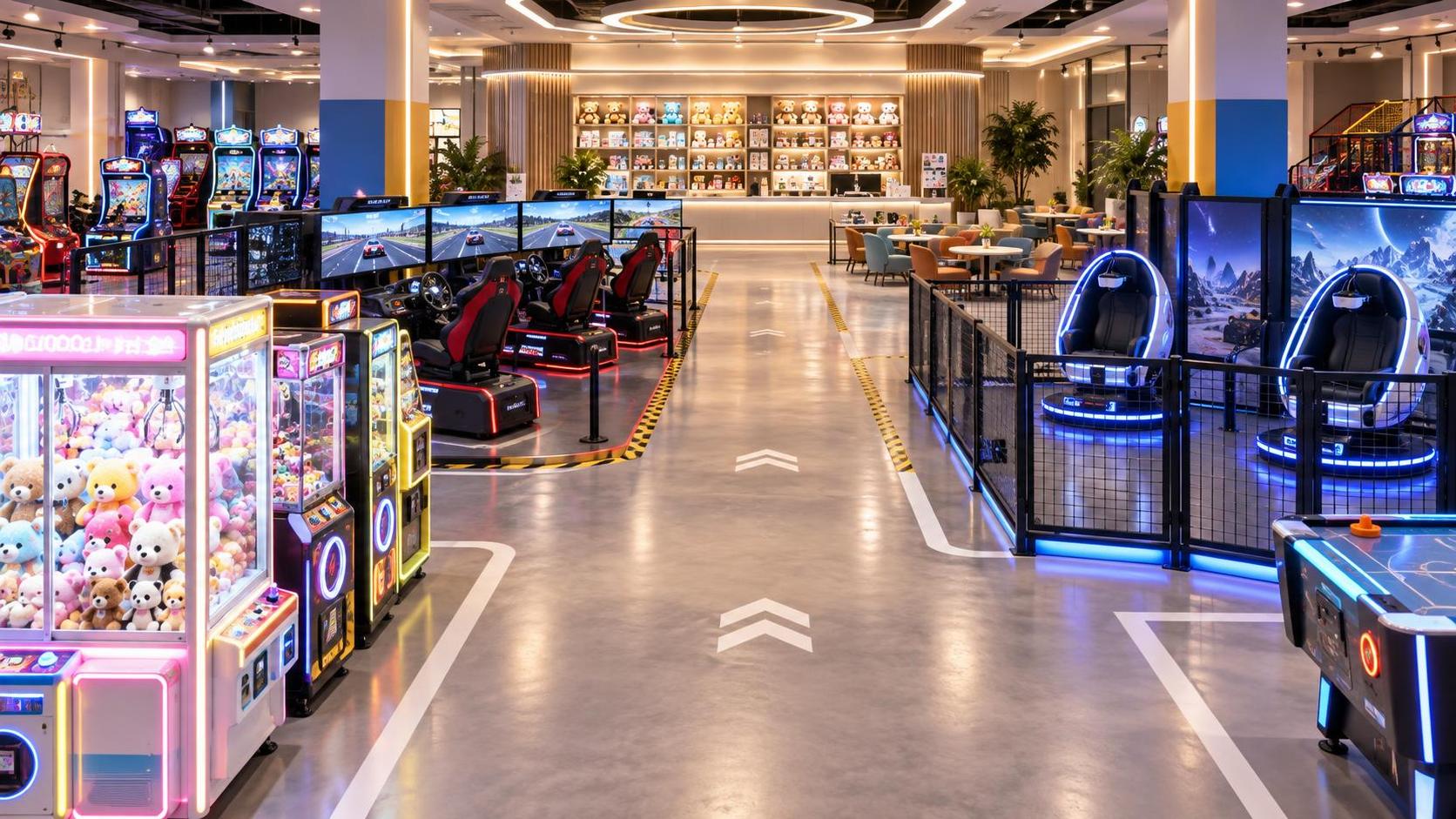
 FEC Capital & Yield per Sq.FtHow to Select Family Entertainment Center Equipment for Your Floor Plan and Revenue MixFamily entertainment center equipment selection made smarter: align floor plans, guest flow, capacity, utilities, and revenue mix to create a profitable, flexible venue.
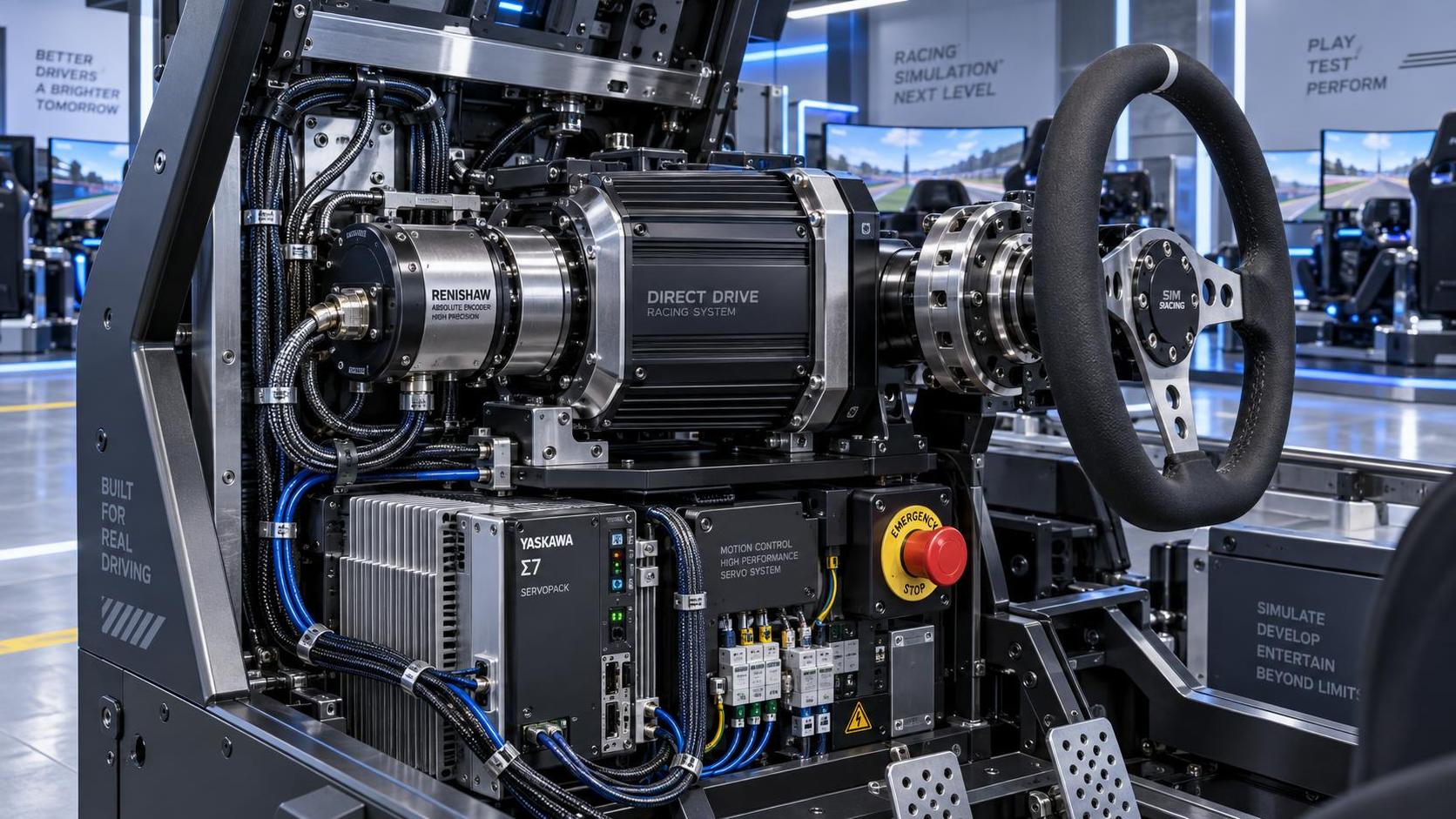
 Direct Drive Wheels & PedalsWhat Determines Direct Drive Motor Prices for Arcade Racing Simulators?Direct Drive motors price depends on torque, encoders, controllers, durability, and support. Learn how to compare arcade racing simulator systems for better value.
 CE/FCC & IoT Data SecurityCE Certification for Amusement Equipment: Tests, Documents, and EU Market AccessAmusement equipment certification Europe: discover CE tests, technical documents, safety standards, and practical steps for confident EU market access.
 Interactive Wall Projection SportsInteractive Sports Entertainment Systems: Key Selection Criteria for FECsInteractive sports entertainment systems: discover key FEC selection criteria for player flow, revenue, maintenance, integration, safety, and guest appeal.
 CE/FCC & IoT Data SecurityEntertainment Technology Export: CE, FCC, and IoT Compliance for Global SalesEntertainment technology export made simpler: learn how CE, FCC, and IoT compliance support safer global sales, connected systems, and market-ready deployment.
 FEC Capital & Yield per Sq.FtHow Arcade Data Analytics Software Improves FEC Revenue per Square FootArcade data analytics software helps FECs increase revenue per square foot by reducing downtime, optimizing game mix, pricing, payouts, and floor-space performance.
 FEC Capital & Yield per Sq.FtWhat Is a Healthy Arcade Venue Revenue per Square Foot? Benchmarks and DriversVenue Revenue Per Square Foot arcade benchmarks explained: compare productive space, costs, machine yield, and key drivers to build a healthier, more profitable venue.
 Multiplayer VR Free-RoamMultiplayer Headset Integration Technology: Syncing Audio, Tracking, and SessionsHeadset Integration Technology multiplayer solutions synchronize audio, tracking, and sessions to improve VR venue safety, uptime, and player experiences.
 FEC Capital & Yield per Sq.FtHow to Evaluate a Networked Arcade Machine for Multi-Location FEC OperationsNetworked arcade machine evaluation guide for multi-location FECs: assess connectivity, cashless integration, remote controls, uptime, and scalable deployment.
 String Pinsetter BowlingHow to Evaluate a Bowling System Technology Supplier for FEC ProjectsBowling system technology supplier guide for FEC projects: evaluate integration, scoring, service support, compliance, and total operating cost.
 FEC Capital & Yield per Sq.FtHow Arcade Data Analytics Helps FEC Operators Improve Revenue per Square FootArcade data analytics helps FEC operators raise revenue per square foot by optimizing machine mix, pricing, uptime, payouts, and guest flow.
 6-DOF Racing SimulatorsHow Telemetry Systems Improve Driver Feedback in Immersive Racing SimulatorsImmersive racing systems telemetry transforms live vehicle data into precise steering, pedal, motion, and haptic feedback—helping operators deliver realistic, reliable, and engaging driver experiences.

Related News
- 00
0000-00
Designing a Mall VR Venue: Layout, Throughput, Safety, and Revenue Factors - 00
0000-00
How to Evaluate VR Gaming Technology for High-Throughput Location-Based Venues - 00
0000-00
How to Synchronize Motion Simulator Telemetry for Consistent Vehicle Response - 00
0000-00
What Does High-Tech Amusement Equipment Cost When Budgeting a New FEC? - 00
0000-00
Are Interactive Projection Systems Reliable in Bright Venues?
Amusement Terminal Architect
Strategic Intelligence Center