
High-Tech Entertainment Solutions With Lower Maintenance Risk
Author
Date Published
Reading Time
For after-sales maintenance teams, high-tech entertainment solutions are only valuable when immersion does not become a service burden. From 6-DOF racing simulators and VR free-roam arenas to smart prize terminals and digital sports systems, every sensor, servo, motherboard, and cloud module must support stable uptime, faster diagnostics, and predictable repair cycles. This article explores how CIAS views advanced amusement equipment through a maintenance-first lens—helping technicians reduce fault recurrence, protect venue revenue, and keep next-generation entertainment experiences running safely, smoothly, and profitably.
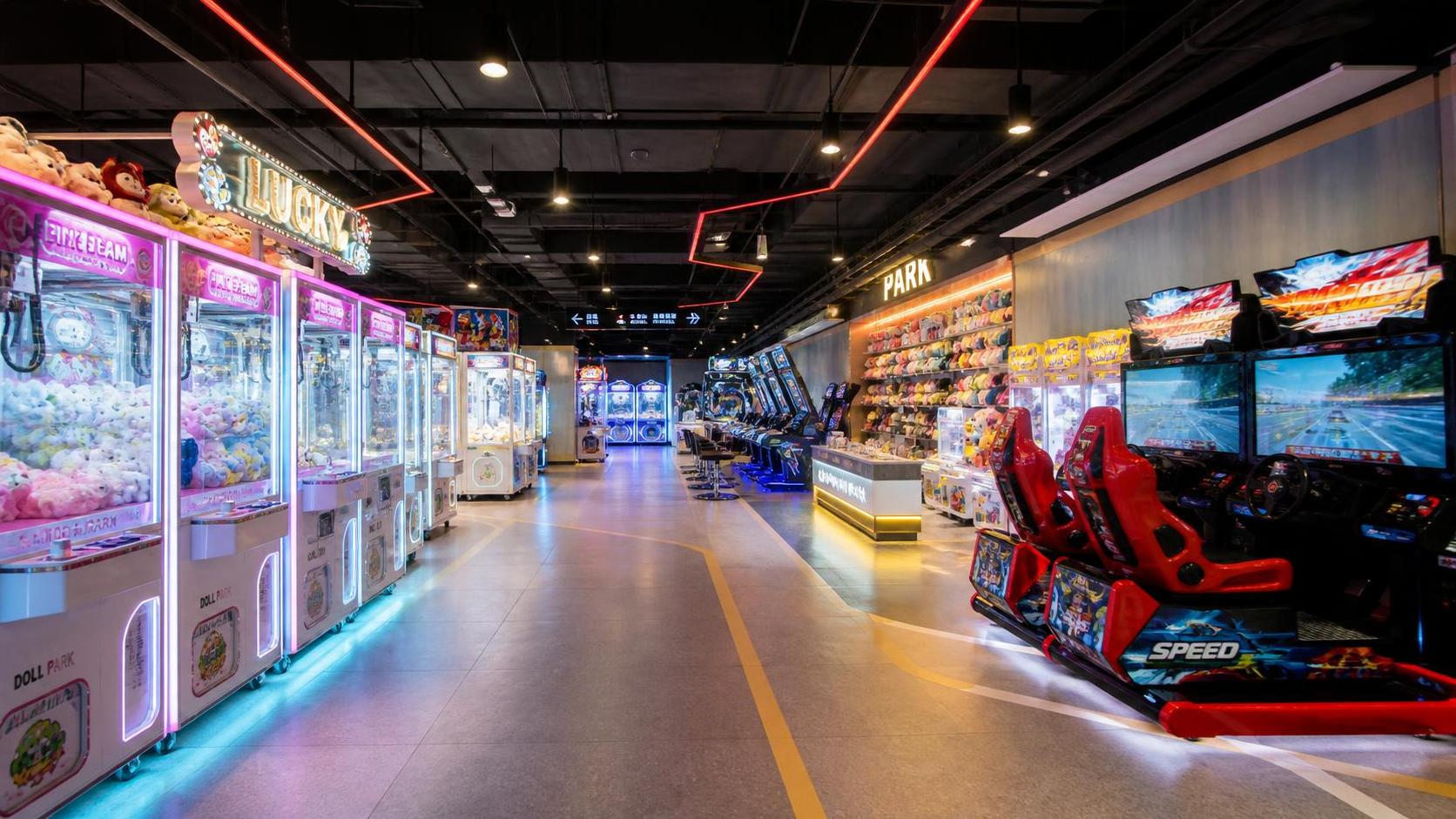
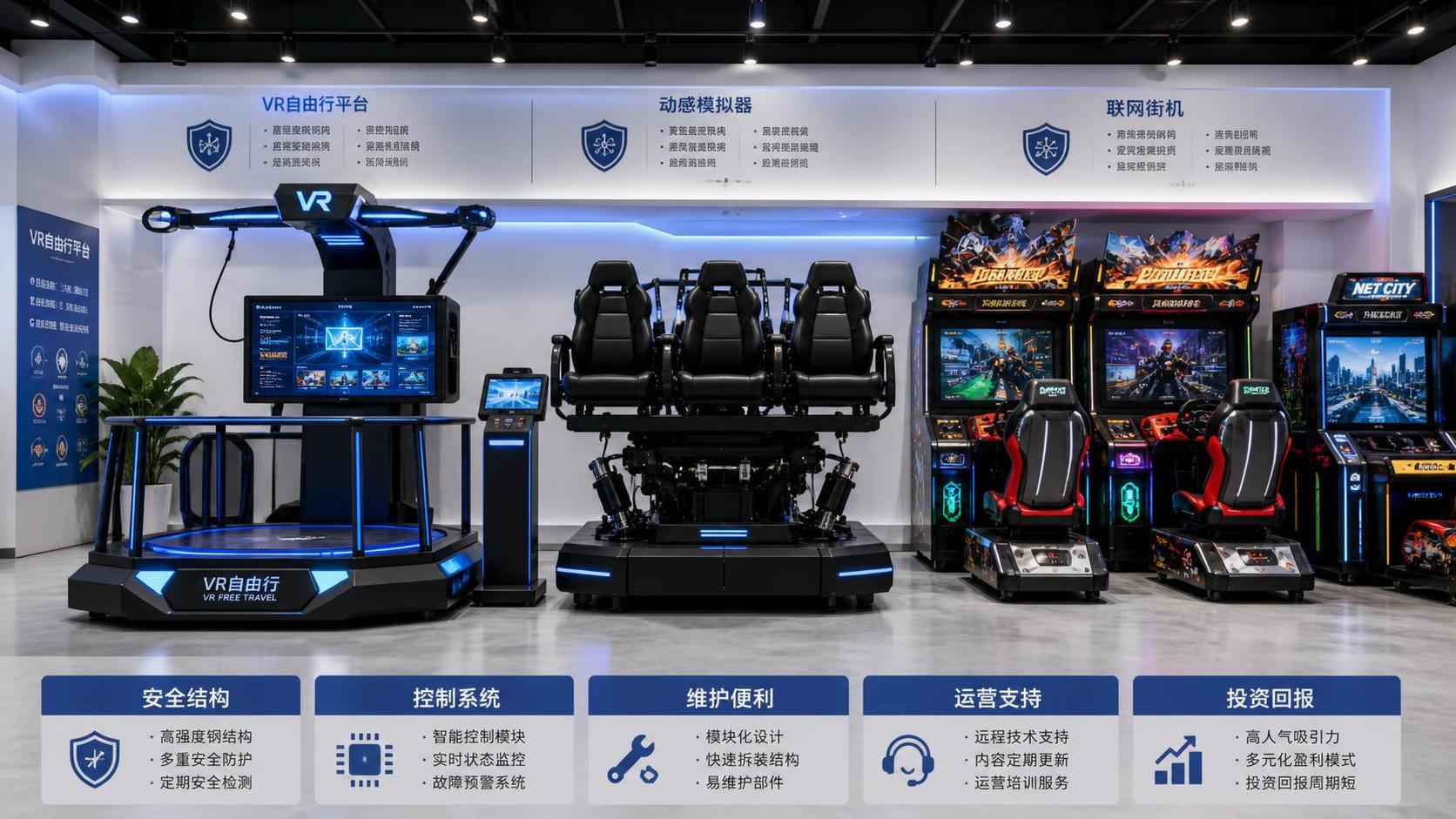
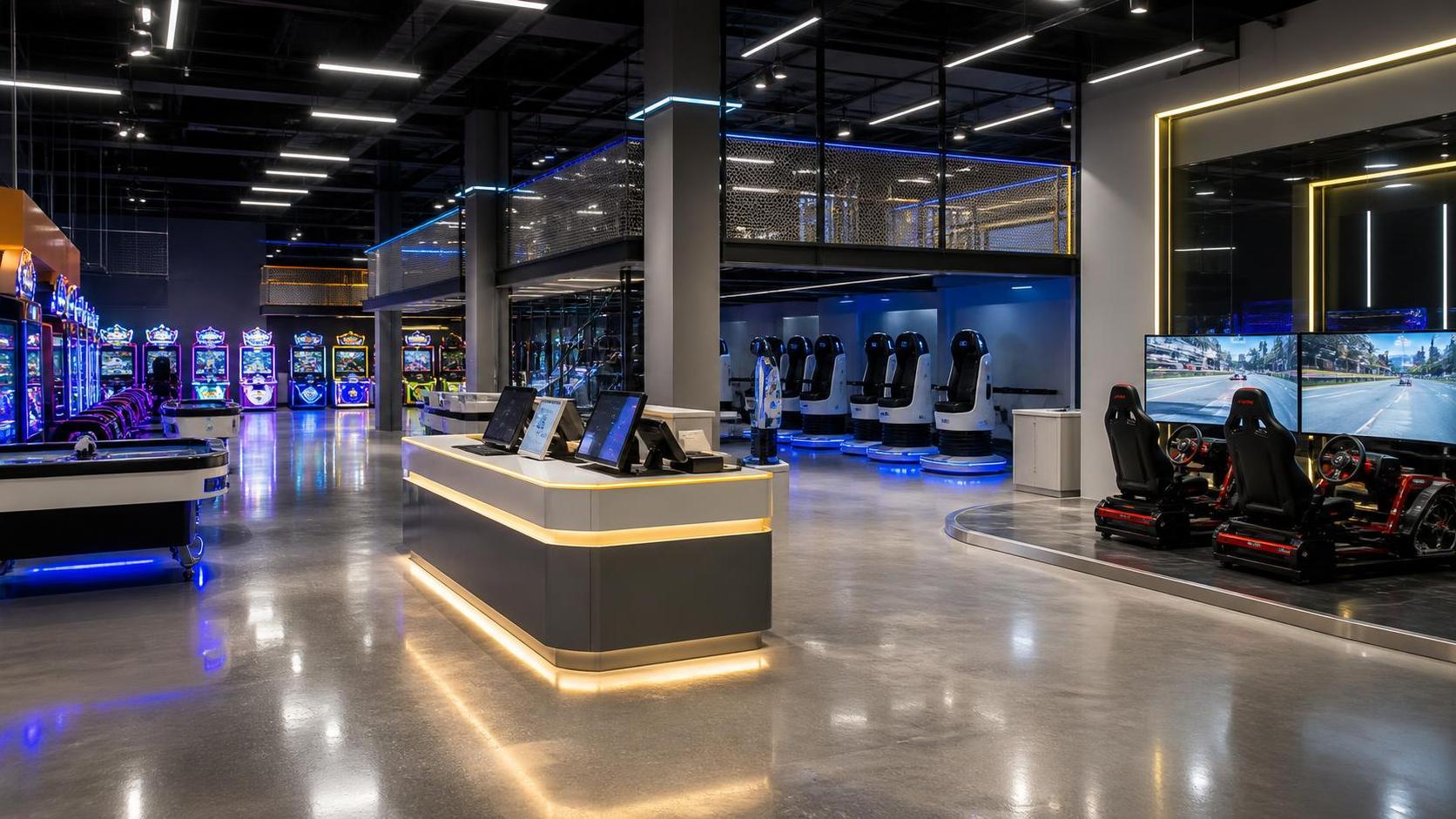
In modern family entertainment centers, downtime is not only a technical issue. A stopped simulator, frozen prize terminal, or inaccurate sports tracking system can affect peak-hour revenue within minutes. Maintenance teams therefore need equipment architectures that are immersive, connected, serviceable, and predictable across 7-day operating schedules.
Maintenance-First Design for High-Tech Entertainment Solutions
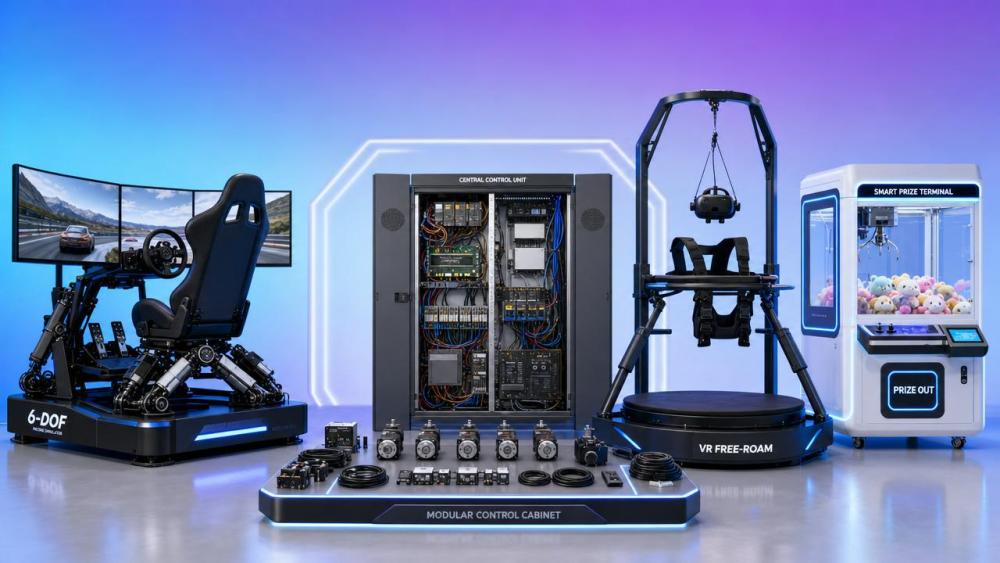
CIAS evaluates high-tech entertainment solutions by asking one practical question: can technicians isolate, verify, and resolve a fault before it becomes a repeated venue complaint? The answer depends on mechanical layout, diagnostic depth, spare part logic, and software access.
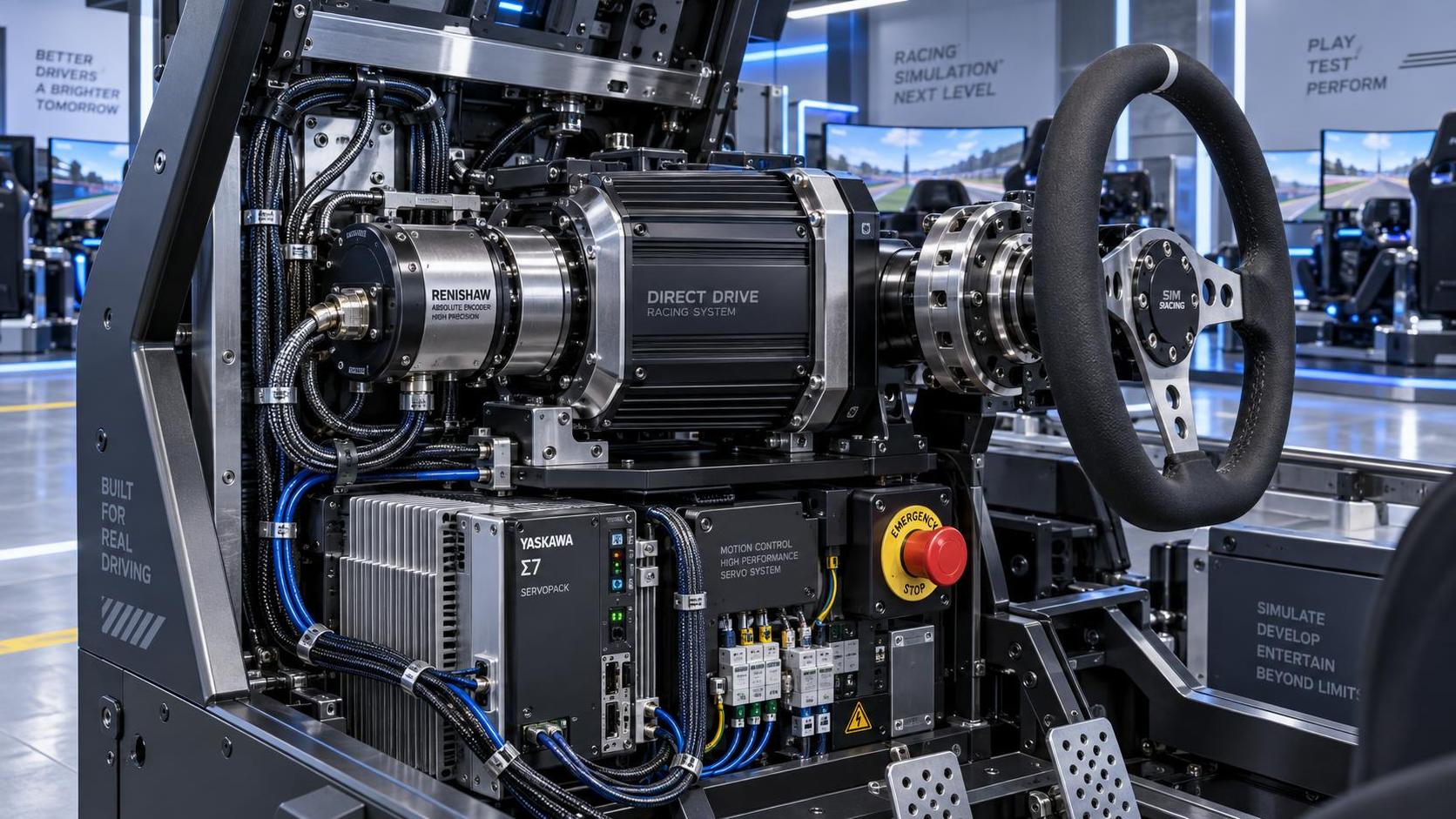
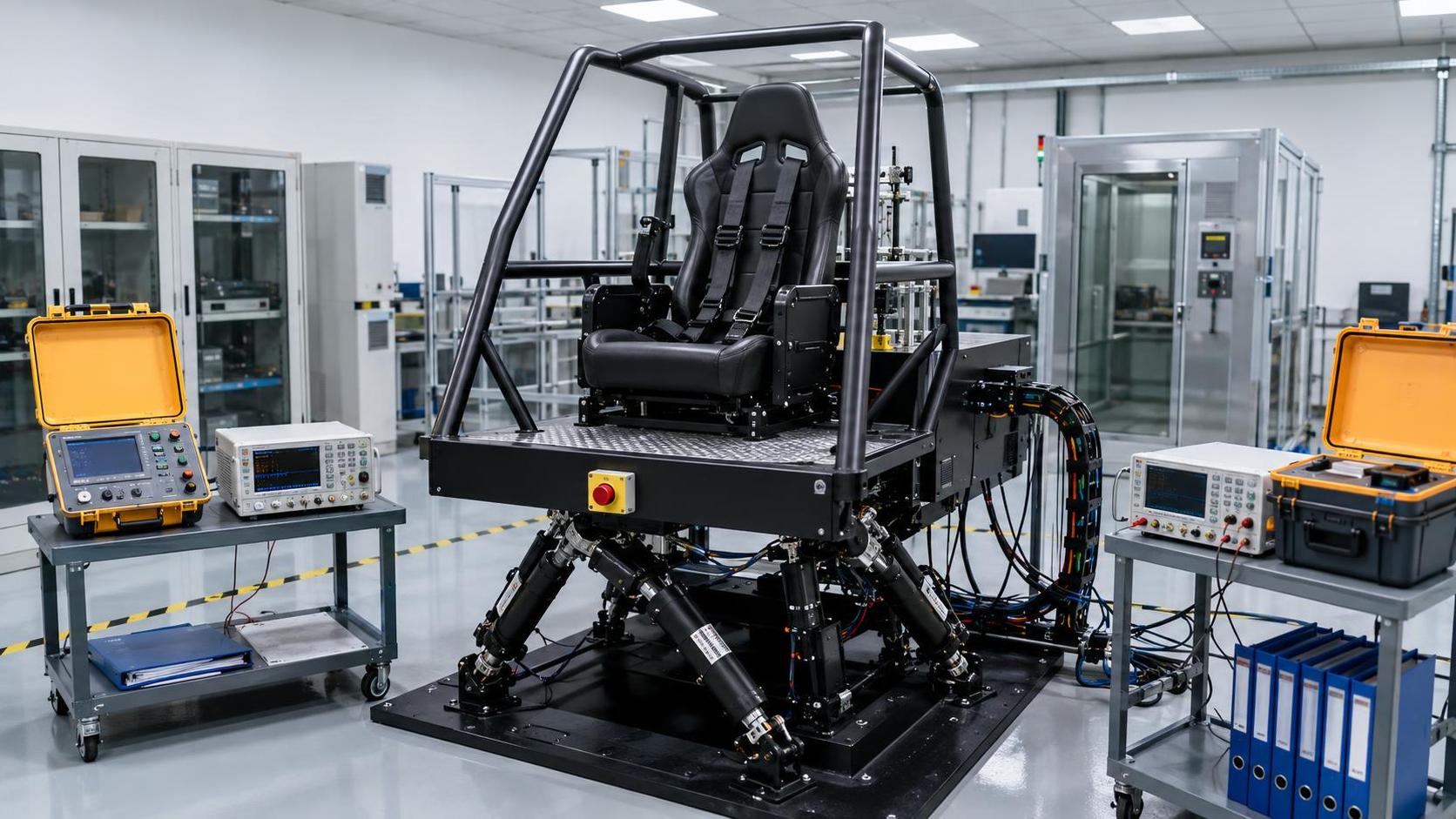
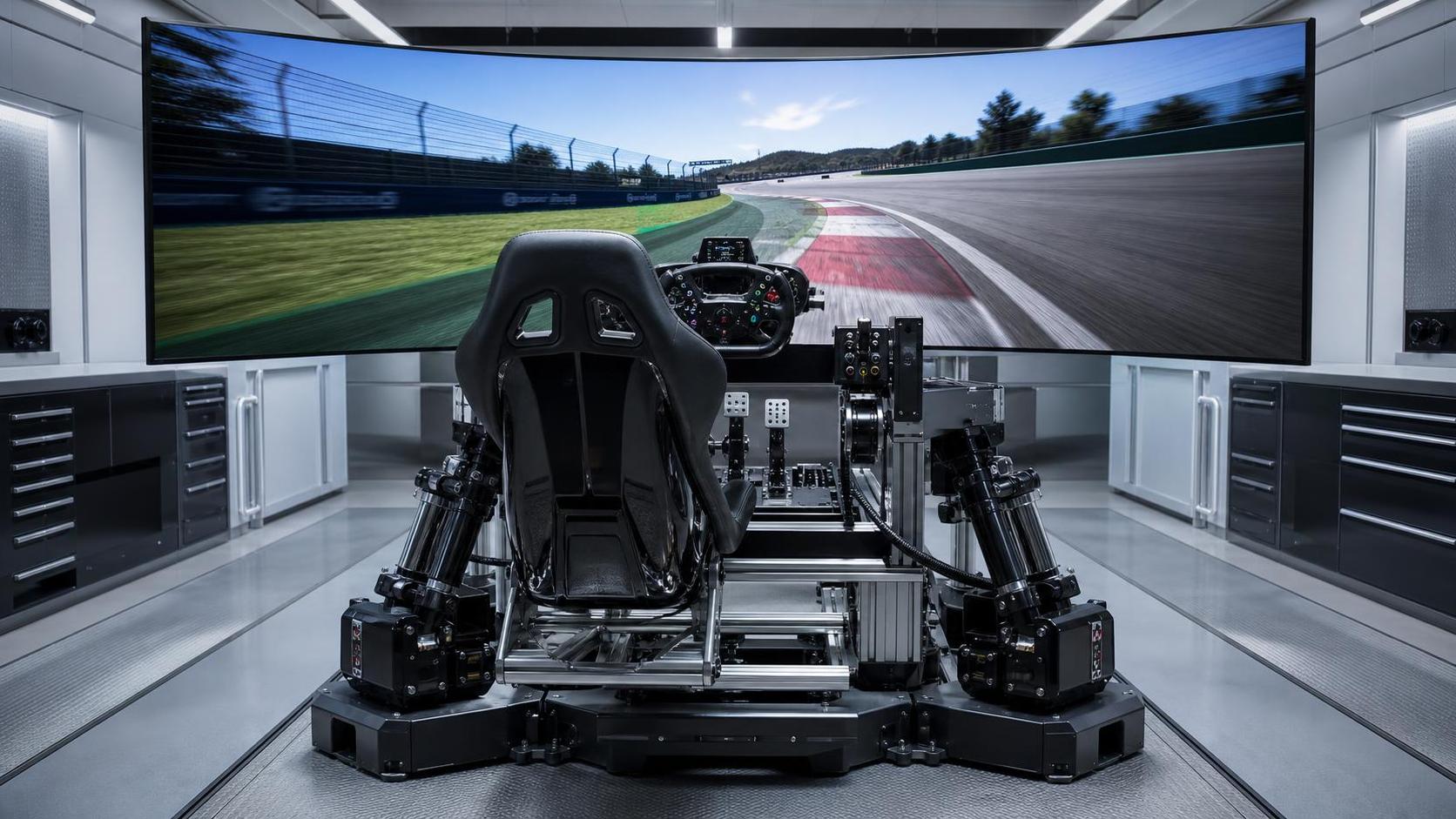
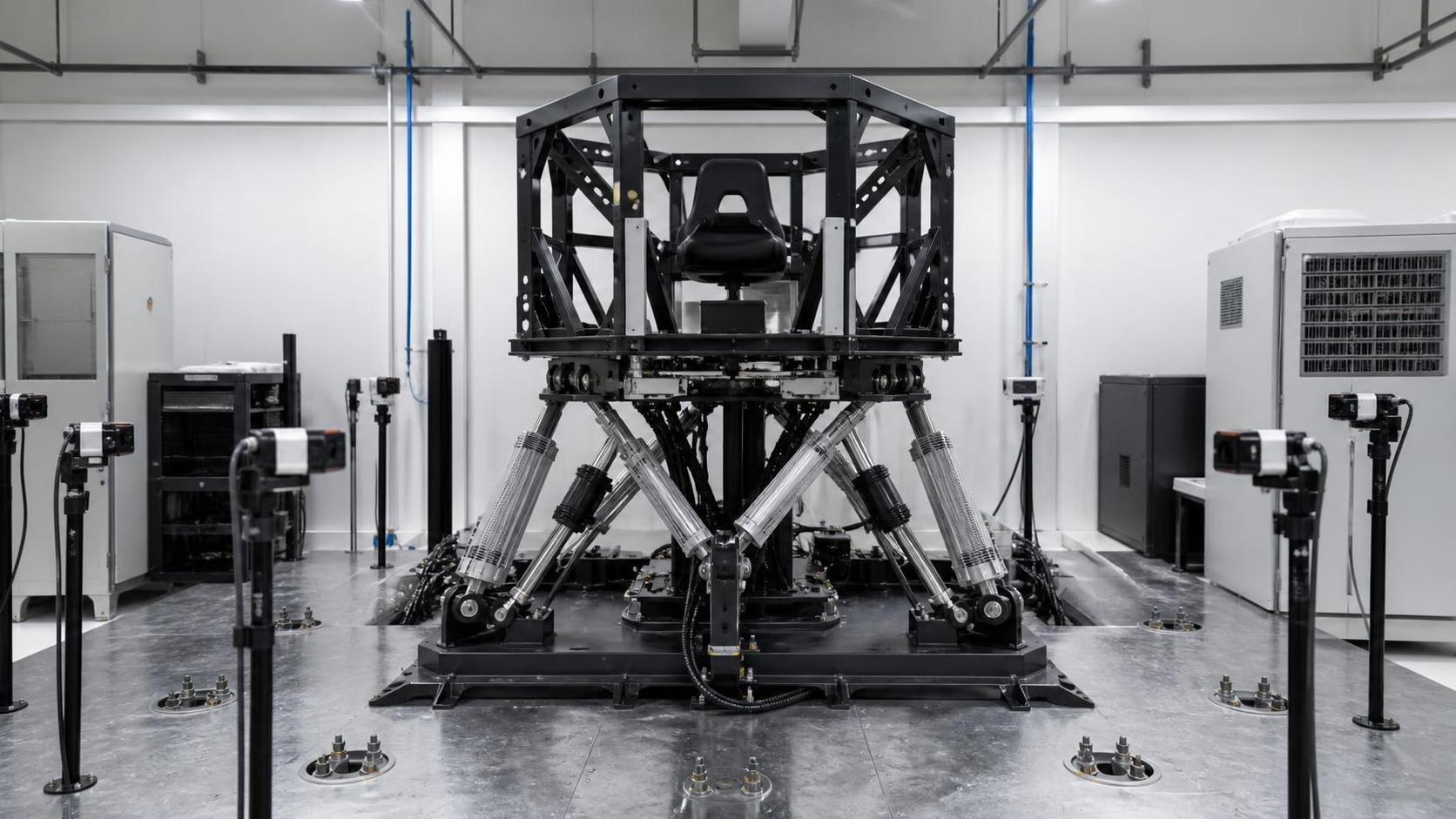
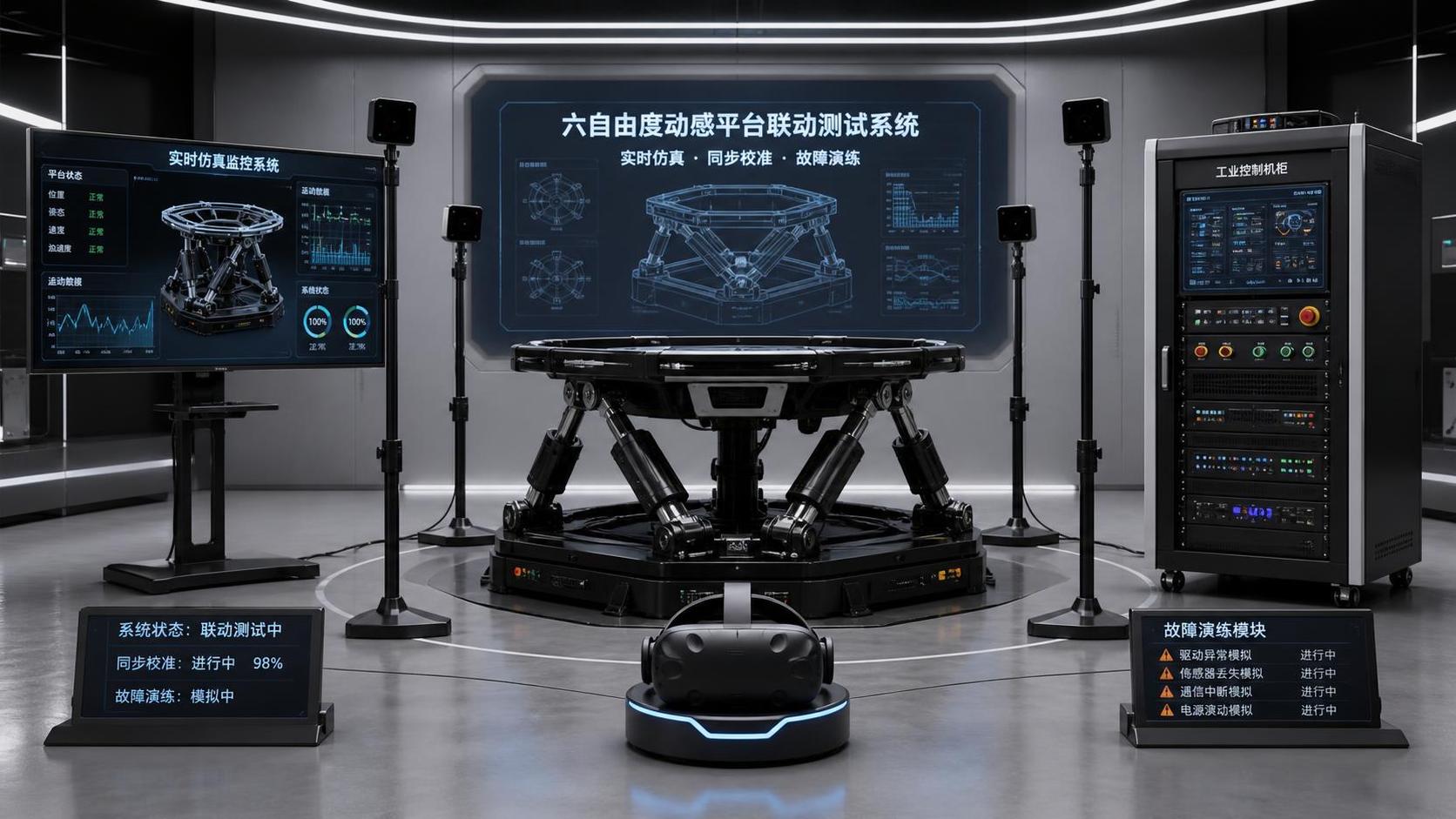
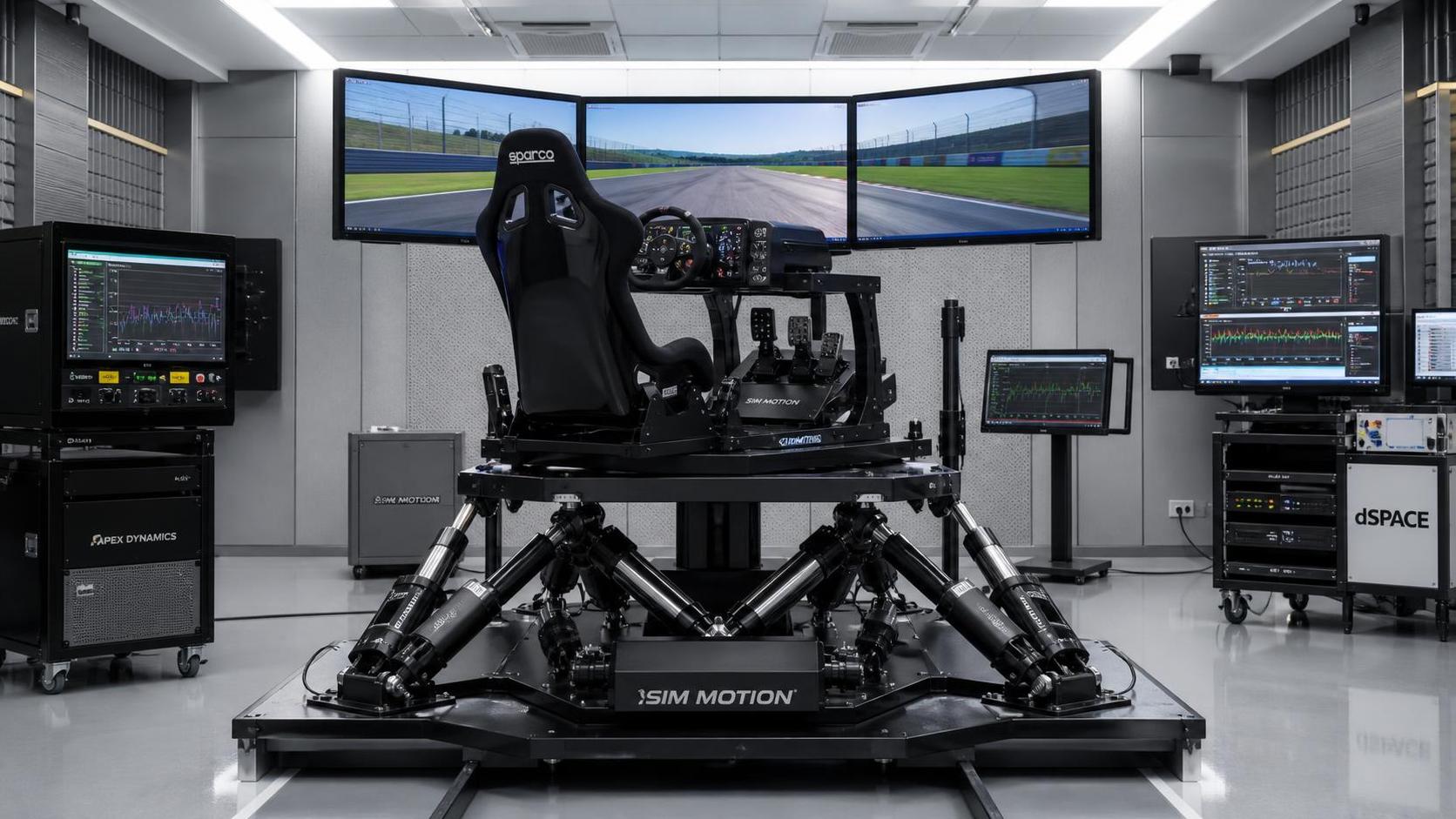
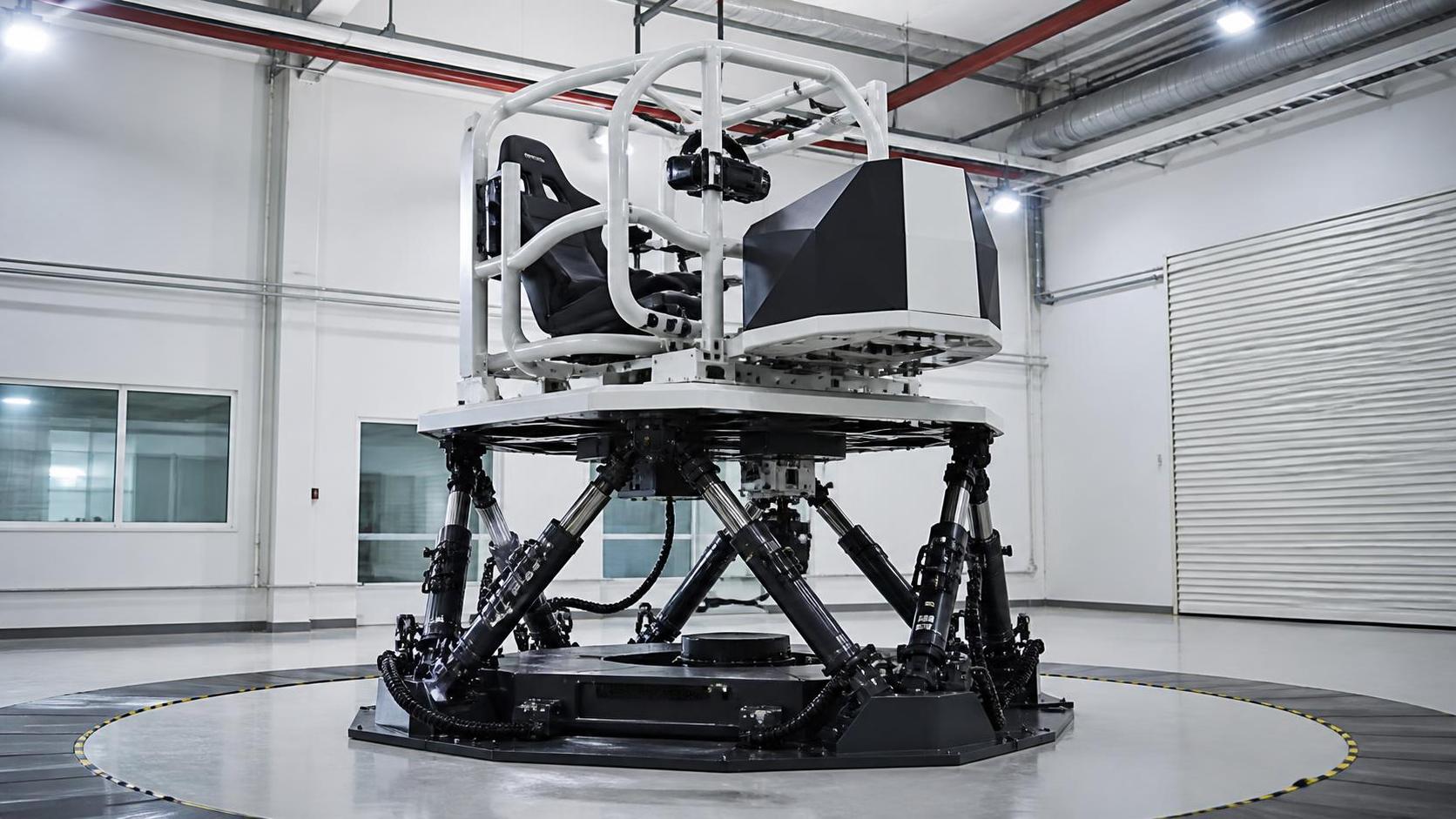
For after-sales teams, the ideal system should reduce blind troubleshooting. A 6-DOF simulator may contain 6 electric cylinders, 1 steering feedback motor, multiple limit switches, emergency circuits, and game telemetry interfaces. Without structured diagnostics, one vibration symptom may waste hours.
Why Immersion Increases Maintenance Complexity
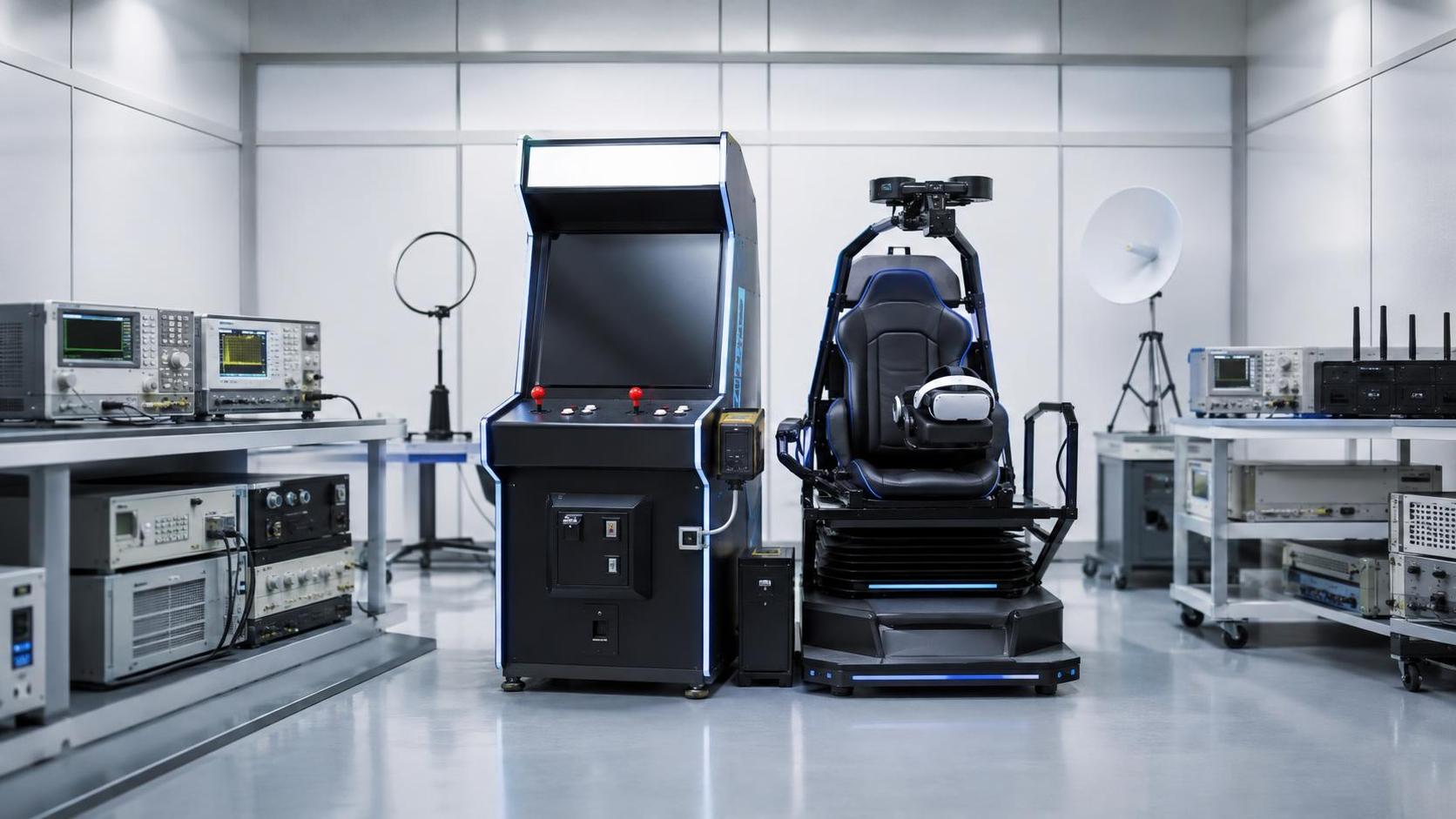
Immersive amusement equipment combines motion control, visual rendering, payment logic, cloud settings, and safety interlocks. Each layer improves player experience, yet each layer also adds possible failure points, from loose connectors to outdated firmware.
- Motion platforms need synchronized feedback within milliseconds, especially when game telemetry controls acceleration, braking, and collision effects.
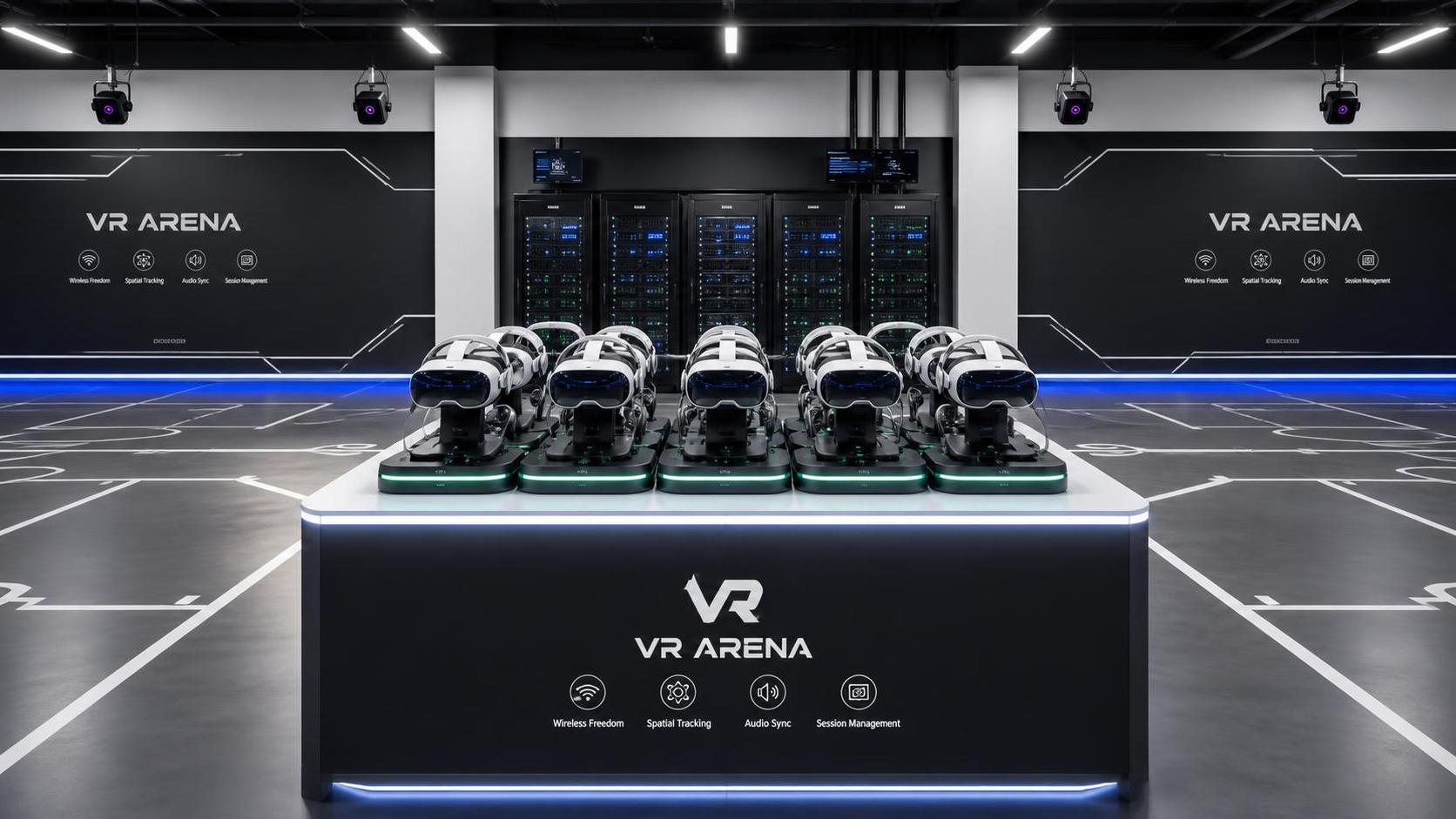
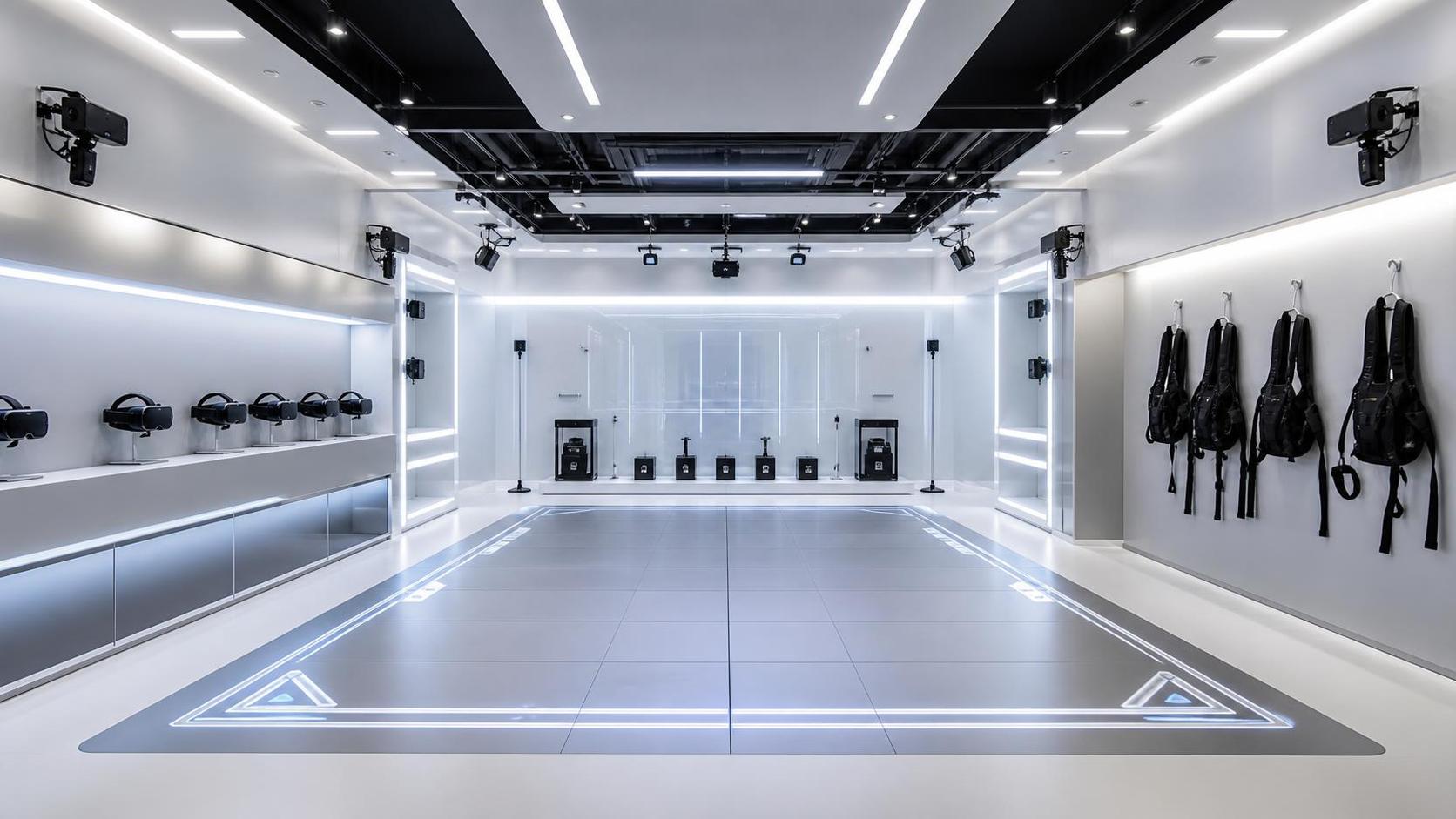
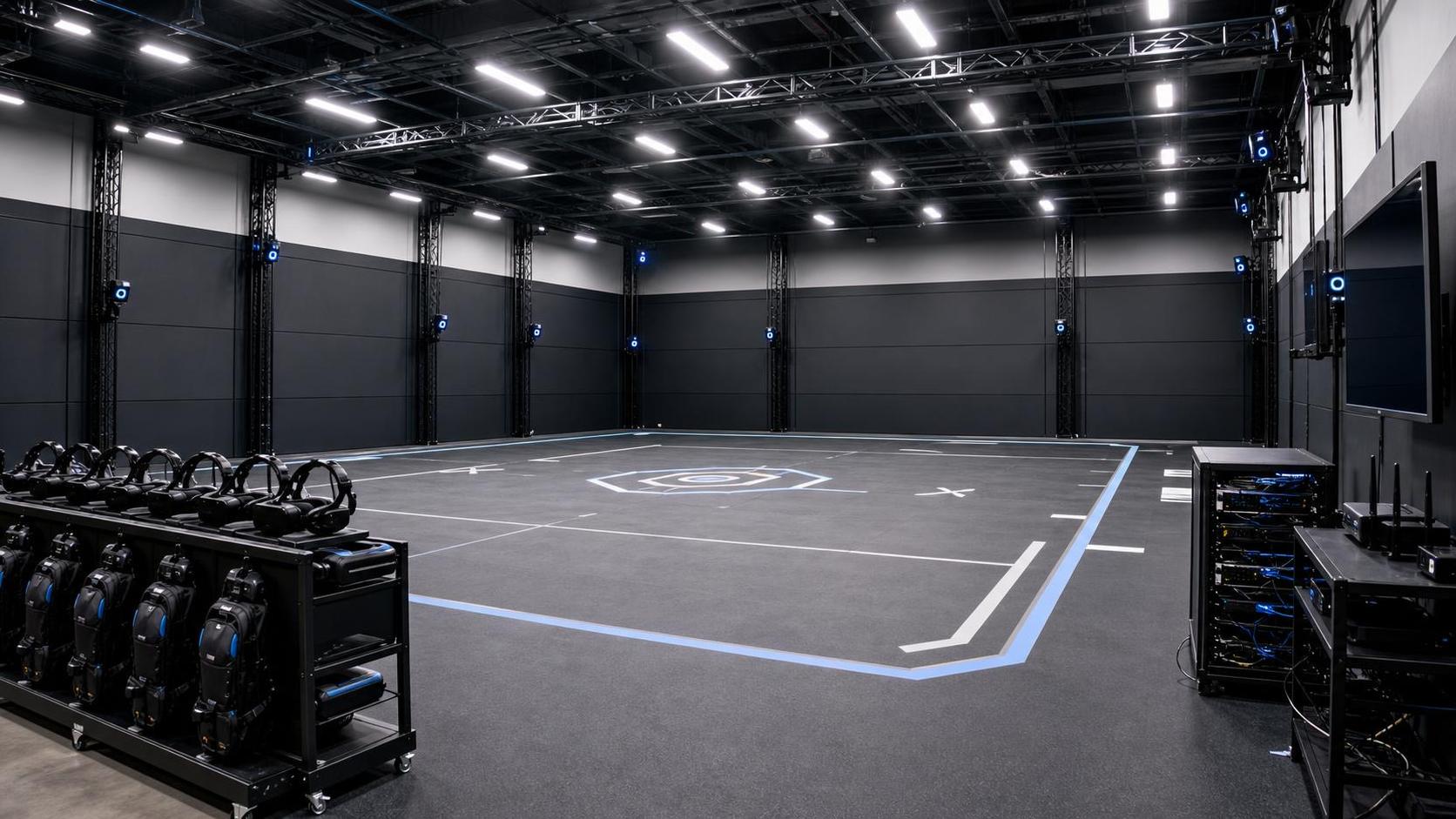
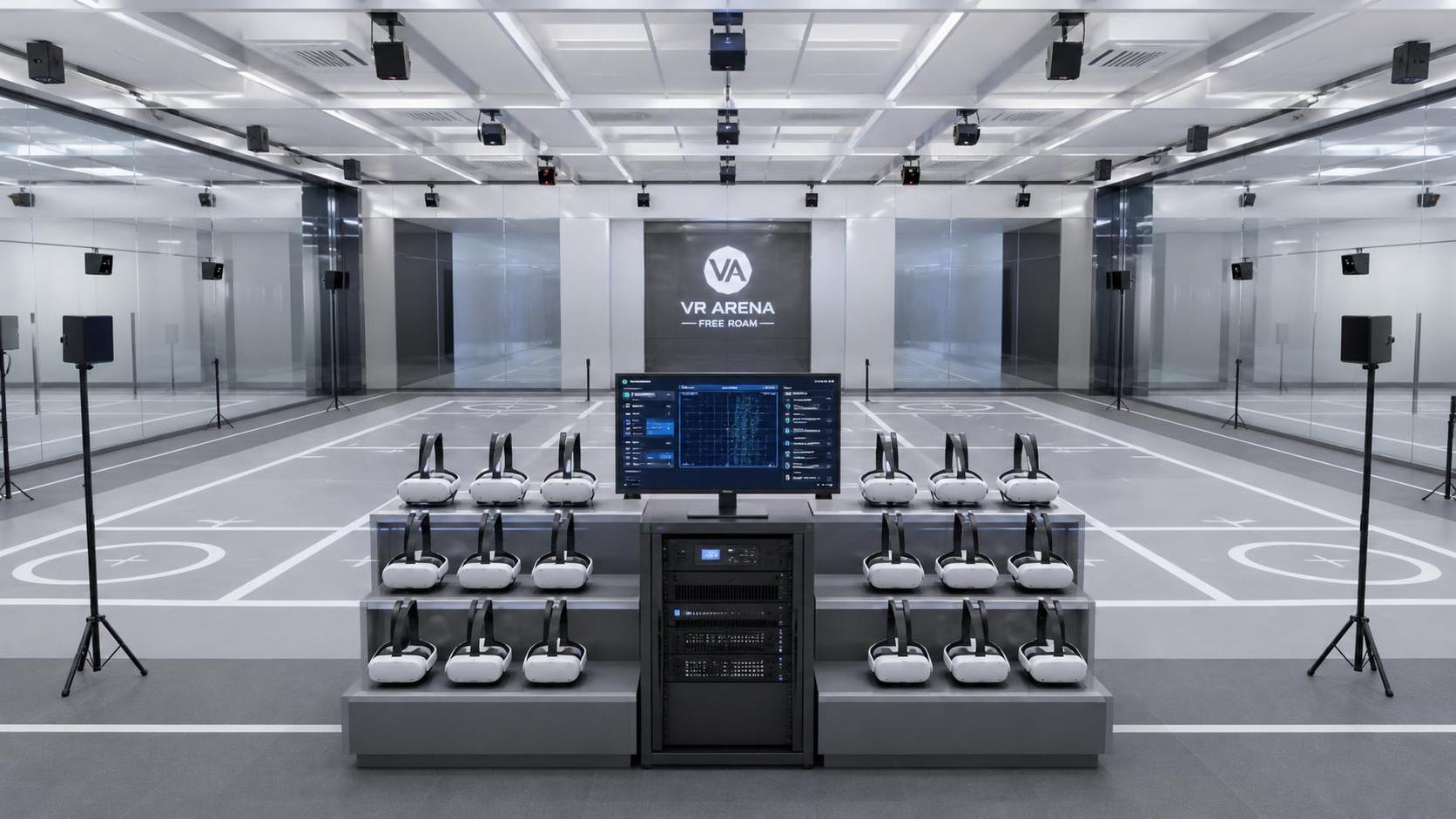
- VR free-roam arenas require stable positioning across ceiling-mounted base stations, headset tracking, backpack PCs, and wireless networks.
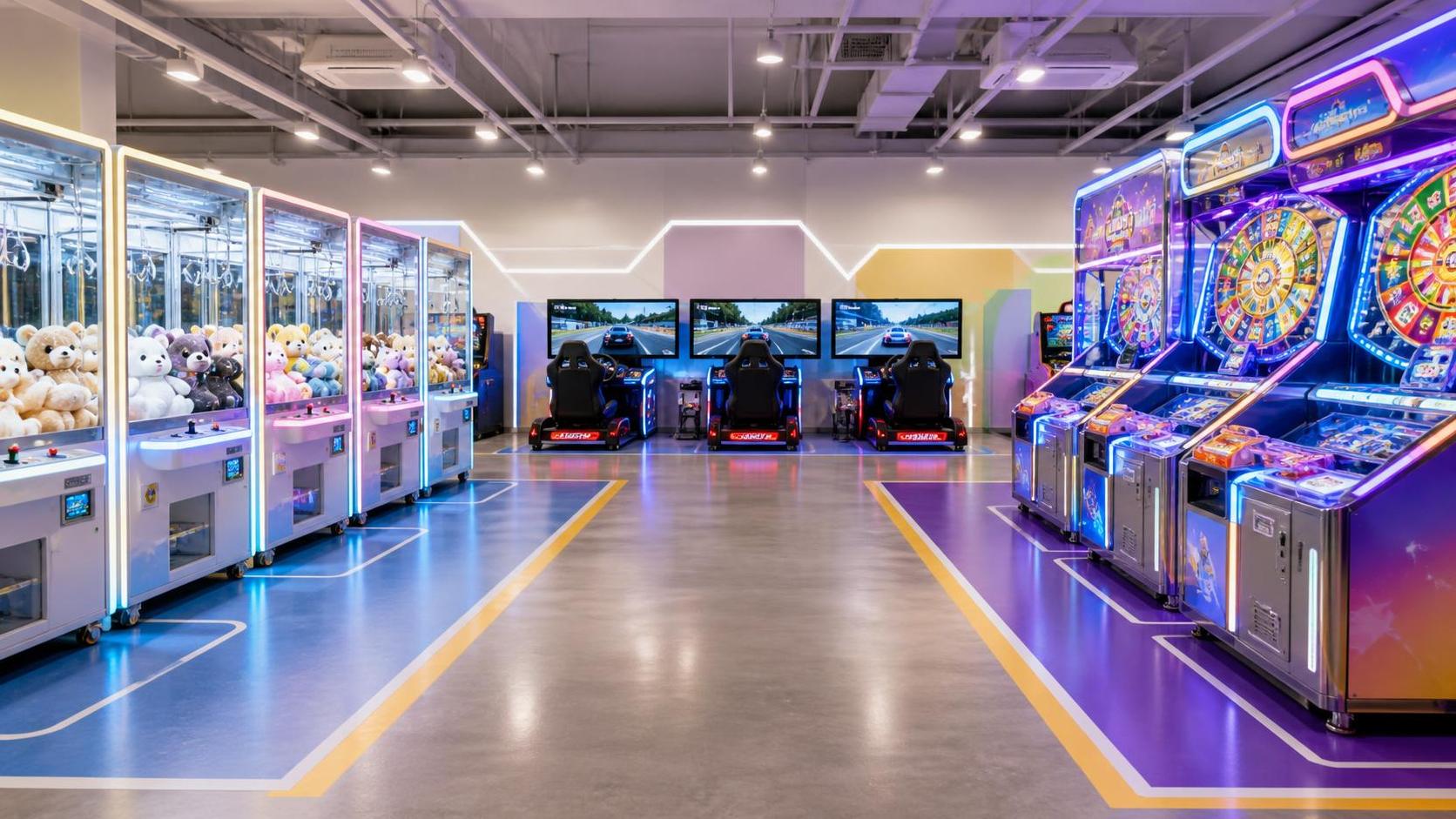
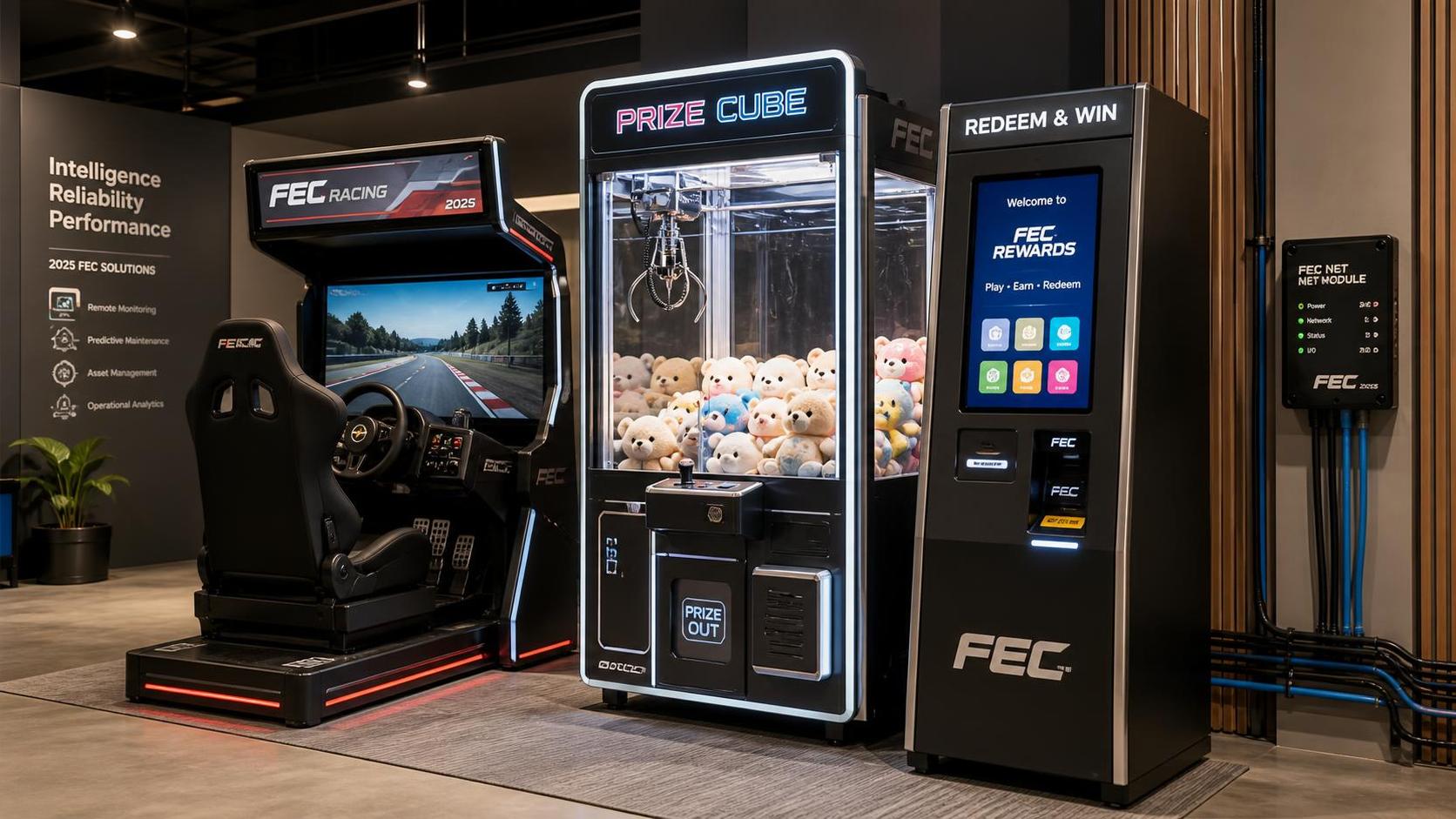
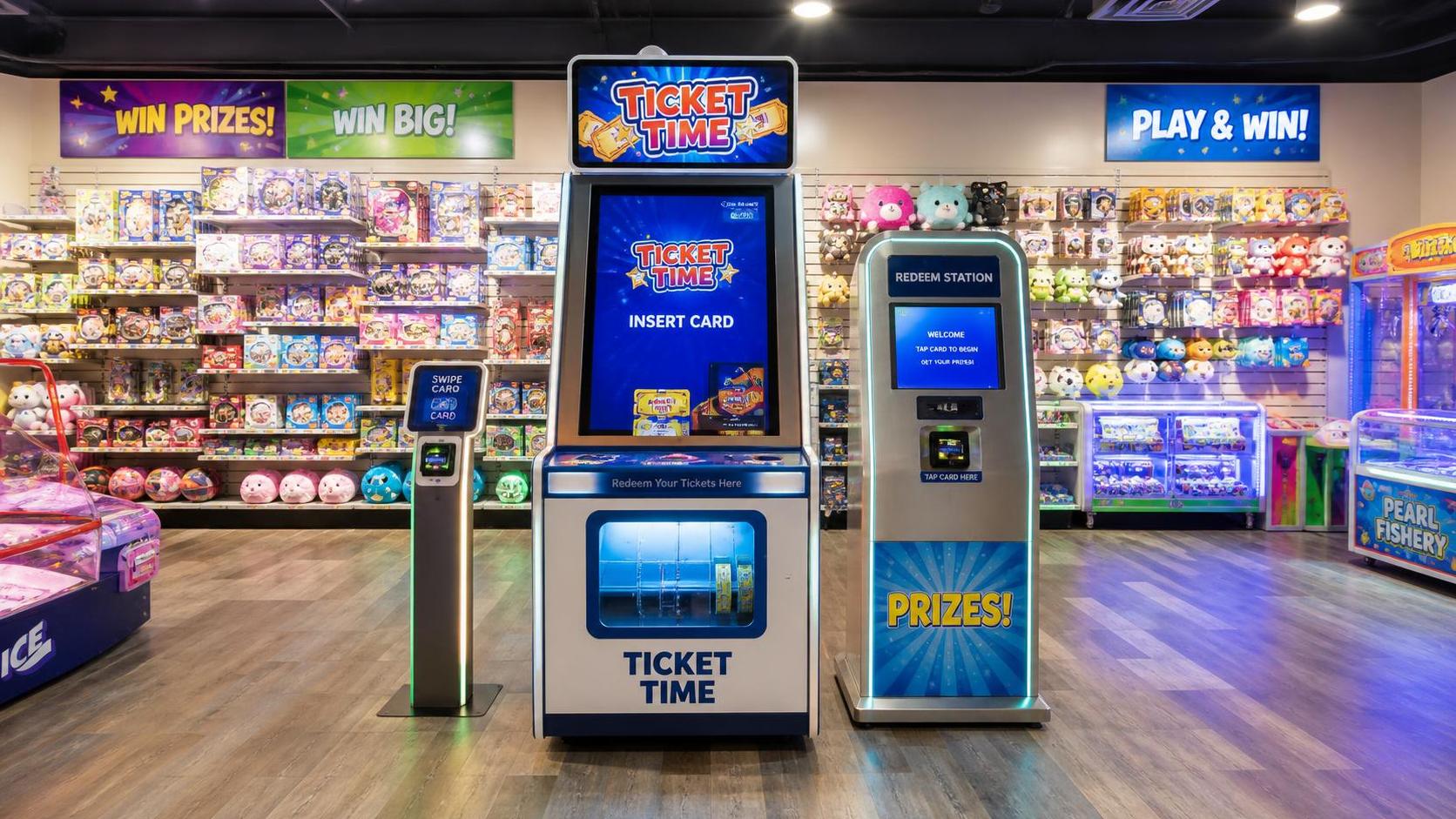
- Smart prize terminals rely on crane motor voltage, claw release timing, payment boards, and cloud probability configuration.
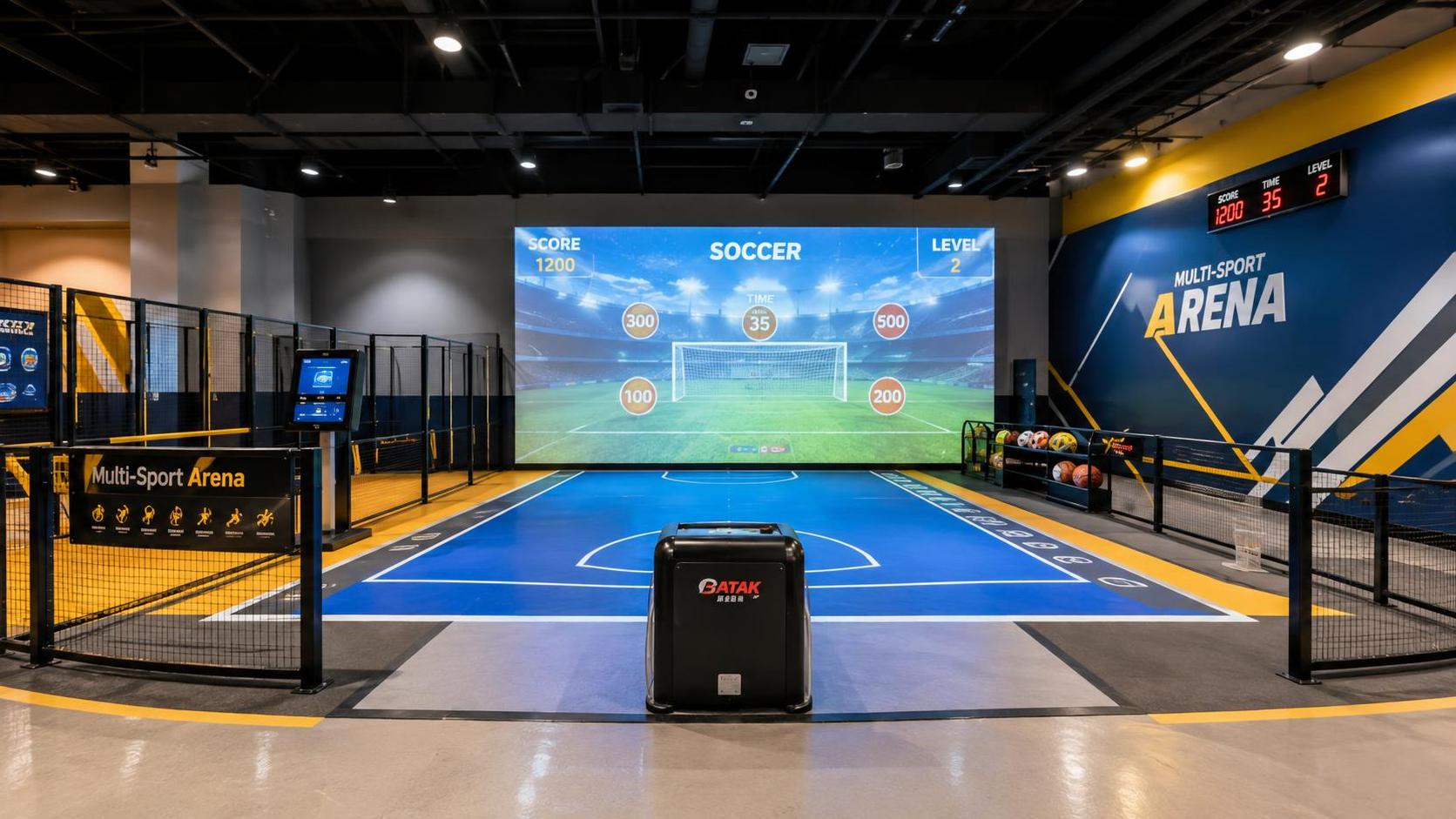
- Digital sports simulators depend on high-frame-rate cameras, radar modules, lighting consistency, and calibration routines.
The strongest high-tech entertainment solutions do not hide this complexity. They organize it into accessible modules, readable fault codes, documented maintenance cycles, and replaceable components that match the actual workload of service engineers.
Typical Maintenance Priorities by Equipment Type
Different amusement categories fail in different ways. The table below helps after-sales teams map common fault sources to practical inspection points before they select parts, dispatch engineers, or recommend upgrades.
The key conclusion is simple: preventive routines must match the technology stack. A camera-based golf system needs optical discipline, while a motion simulator needs mechanical and electrical verification around load, torque, and safety response.
Serviceability Indicators Worth Checking
Before accepting any new high-tech entertainment solutions into a venue, after-sales leaders should check whether the supplier provides at least 3 essentials: a fault-code list, wiring diagrams, and replacement instructions for consumable parts.
Better systems also include modular access panels, labeled harnesses, remote log exports, and safe rollback options for firmware. These details can reduce first diagnosis time from several hours to 20–40 minutes in common cases.
Diagnostics, Spare Parts, and Remote Support Workflows
For maintenance teams, speed depends on workflow. Even advanced equipment becomes manageable when problems are divided into 5 service stages: symptom capture, fault classification, remote verification, part replacement, and post-repair validation.
CIAS encourages manufacturers and venue operators to treat diagnostics as part of the product, not an afterthought. High-tech entertainment solutions should generate operational clues, such as actuator cycle counts, voltage alerts, sensor dropout logs, and abnormal temperature warnings.
A Practical 5-Step Troubleshooting Path
- Record the exact symptom, including time, game mode, user action, error code, and whether the issue repeats after restart.
- Classify the fault as mechanical, electrical, optical, network, payment, or software-related before replacing parts.
- Check logs and remote dashboards for voltage fluctuation, sensor loss, firmware mismatch, or thermal alarms.
- Replace only the confirmed module, then inspect surrounding connectors, grounding, ventilation, and cable strain relief.
- Run a 10–30 minute validation cycle under real operating conditions, not only a boot-up test.
This process protects both service efficiency and venue credibility. Replacing a board without checking power stability may clear one alarm today but create another failure within 48 hours.
Spare Parts Planning for Lower Maintenance Risk
Spare parts strategy should reflect venue traffic, equipment value, and repair difficulty. A busy FEC running 12 hours per day cannot wait 2–3 weeks for basic sensors, card readers, belts, fans, or control cables.
The table below gives a practical stocking framework for after-sales managers who support mixed indoor amusement equipment across multiple locations or regional service centers.
A well-designed spare parts list does more than reduce waiting time. It also standardizes service decisions across teams, making repair quality less dependent on one experienced technician.
Remote Support Requirements
Remote support should be controlled and secure. Maintenance teams need access to logs, calibration values, cloud status, and update history, while venue operators need permission controls and data protection aligned with local privacy obligations.
For networked darts, prize terminals, and VR systems, a remote session should record operator name, access time, changed parameter, and rollback path. This creates accountability without slowing urgent service work.
Risk Control Across Simulators, VR Arenas, and Digital Sports
High-tech entertainment solutions carry different operational risks depending on movement, power, user contact, and connectivity. The maintenance team’s role is to translate those risks into clear inspection standards and predictable service intervals.
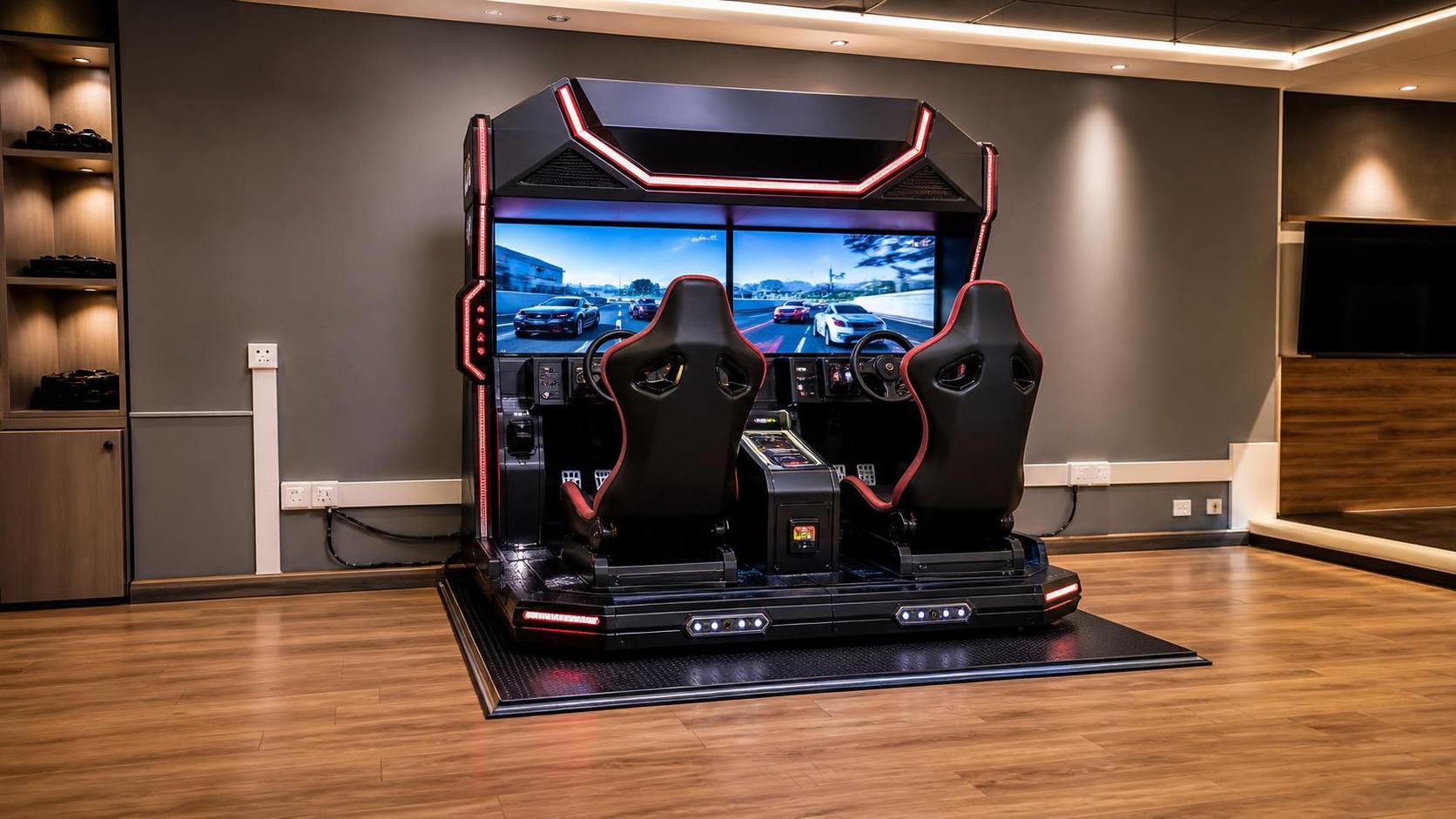
A racing simulator with aggressive torque feedback may require emergency stop verification every opening shift. A 200 square meter VR arena may require tracking-map validation before the first session and after any ceiling hardware adjustment.
Motion Simulator Risk Points
Motion platforms concentrate force, speed, and repeated load. Service teams should inspect actuator mounting, cable routing, bearing wear, grounding, ventilation, and seat lock condition at planned intervals rather than after user complaints.
- Confirm emergency stop response before opening, especially after relocation or firmware updates.
- Check actuator noise, heat, and synchronization after 250–500 operating hours.
- Verify steering torque limits after game content changes or wheelbase replacement.
- Inspect seat, harness, platform bolts, and protective covers at least weekly.
A small mechanical looseness can become a repeated vibration fault. For premium attractions, documenting torque checks and operating hours helps identify wear before the system becomes unsafe or commercially unreliable.
VR Free-Roam and Networked Play Risks
VR arenas are sensitive to tracking geometry and wireless conditions. If a base station shifts by only a few millimeters, some players may experience drifting hands, unstable aiming, or positional jumps during fast movement.
Technicians should check infrared coverage, headset firmware, battery health, backpack PC temperature, and Wi-Fi congestion. In high-traffic venues, headset foam, straps, and cables may need replacement on a 30–90 day cycle.
Digital Sports Accuracy Control
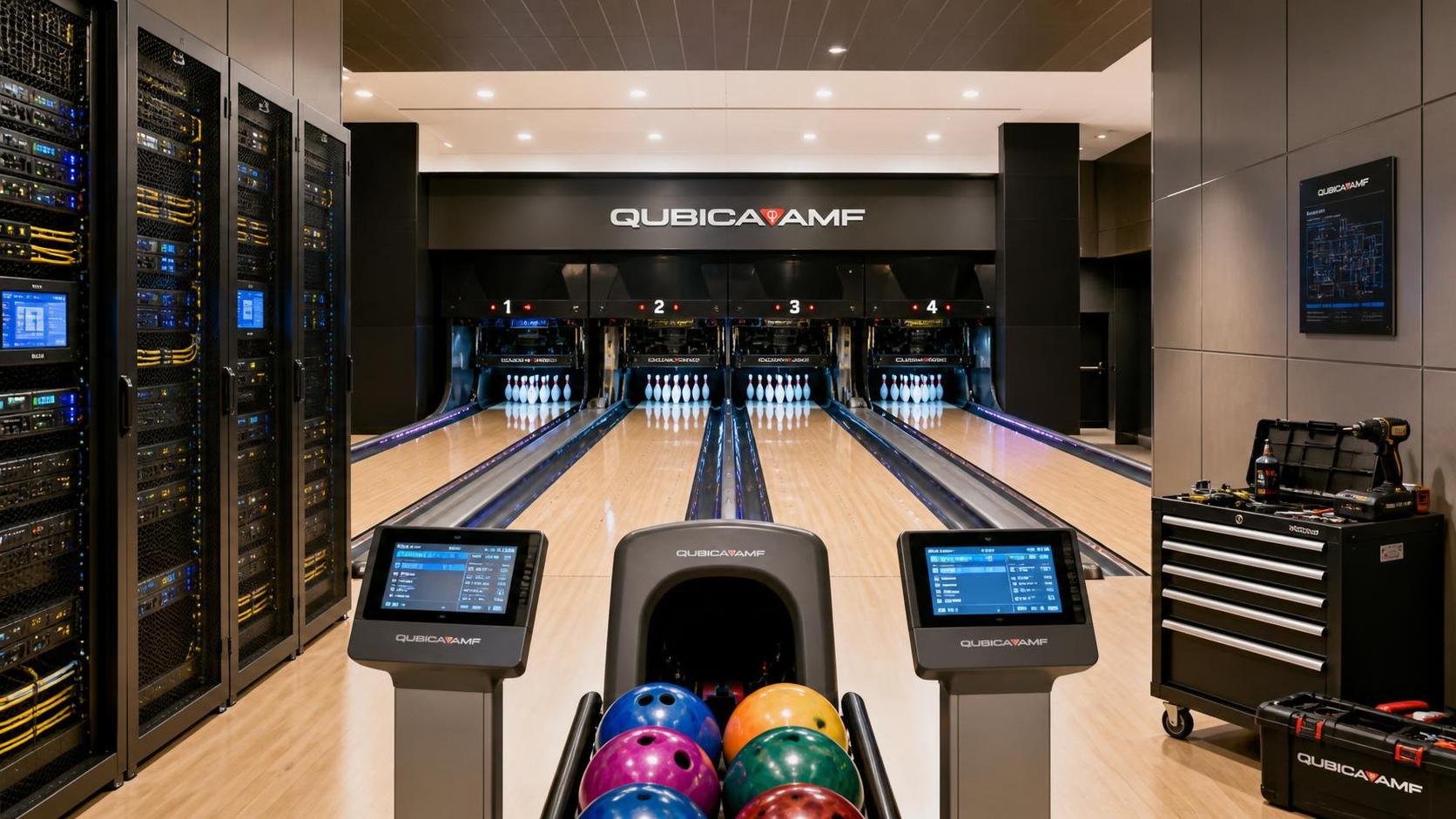
Indoor golf, bowling, darts, and billiards systems depend on measurement credibility. If a golf simulator misreads launch angle by several degrees, players may question the entire venue experience, not only the sensor module.
Maintenance teams should protect optical paths, lighting consistency, radar alignment, screen flatness, and calibration references. A simple lens-cleaning routine before opening can prevent many false ball-speed or spin readings.
How After-Sales Teams Should Evaluate Suppliers
Choosing high-tech entertainment solutions is not only a purchasing decision. It is a 3–5 year service commitment involving documentation, parts continuity, software support, compliance awareness, and predictable training requirements.
CIAS recommends that maintenance leaders participate before procurement is finalized. Their input can prevent hidden costs that appear later, such as inaccessible boards, undocumented firmware, non-standard connectors, or fragile decorative structures.
Supplier Questions That Reveal Service Quality
- Can the supplier provide wiring diagrams, error code explanations, and preventive maintenance checklists in the delivery package?
- Are key modules replaceable within 15–30 minutes using standard tools available to venue technicians?
- Does the system support configuration backup before motherboard, sensor, or controller replacement?
- Are remote diagnostics, firmware rollback, and permission controls available for multi-location operators?
- What parts are expected to wear within 6 months, 12 months, and 24 months under normal commercial use?
These questions uncover whether the supplier understands the venue’s operating reality. A visually impressive attraction may still be a poor service asset if every minor fault requires factory-level intervention.
Training and Handover Standards
A reliable handover should include at least 2 training layers: basic operator checks and advanced technician procedures. Operators handle daily startup, hygiene, and visible alarms; technicians handle calibration, module replacement, and log review.
For complex venues, training should cover scenario-based faults. Examples include VR tracking loss during a full session, a racing platform with one delayed actuator, or a prize machine with inconsistent claw force after voltage fluctuation.
Compliance and Documentation Awareness
For global deployments, maintenance documentation should also reflect electrical access, data privacy, safety labeling, and local inspection expectations. Networked amusement systems may store user records, payment logs, or operational data that require controlled handling.
A service-friendly system helps technicians maintain compliance without guesswork. Clear labeling, protected wiring, documented cloud functions, and update records support both technical repair and venue audit readiness.
Building a Lower-Risk Service Model with CIAS Insight
CIAS views indoor amusement equipment through both engineering and venue ROI. The goal is not to reduce technology, but to make advanced interaction easier to maintain across real commercial conditions.
For after-sales teams, this means prioritizing modular systems, readable diagnostics, stable cloud integration, safer motion control, and practical spare parts planning. These factors protect uptime without weakening immersion.
A Practical Maintenance Roadmap
- Audit installed equipment by category, age, operating hours, and fault recurrence over the last 90 days.
- Separate failures into mechanical, electrical, optical, network, software, and user-operation causes.
- Create standard inspection sheets for daily, weekly, monthly, and 500-hour service tasks.
- Build a spare parts matrix based on lead time, revenue impact, and technician replacement skill.
- Use remote logs and post-repair validation to reduce repeated faults within the same operating week.
This roadmap helps teams move from reactive repair to controlled reliability. It also gives managers clearer evidence when deciding whether to refurbish, upgrade, or replace equipment.
From Immersive Hardware to Reliable Revenue
High-tech entertainment solutions succeed when motion, vision, payment, and networking work together without overwhelming the maintenance team. That balance is central to sustainable FEC operations and long-term equipment value.
CIAS supports manufacturers, distributors, and venue operators with intelligence focused on mechatronics, algorithms, compliance, and commercial reliability. The result is better planning before purchase and fewer surprises after installation.
If your after-sales team is evaluating simulators, VR arenas, prize terminals, or digital sports systems, use maintenance risk as a core selection standard. To discuss service-friendly configuration, diagnostic priorities, or equipment intelligence for your venue network, contact CIAS to get a tailored solution and learn more about practical high-tech entertainment solutions.
Related News
 Multiplayer VR Free-RoamHow Malls Can Evaluate VR Free-Roam Arenas for Footfall, Dwell Time, and ROIVR free-roam arenas for malls: learn how to assess footfall, dwell time, throughput, operating costs, and ROI for a profitable leisure investment.
 Interactive Prize VendingHow to Select Smart Prize Systems for Higher FEC Redemption RevenueSmart prize systems help FECs increase redemption revenue, streamline inventory, reduce queues, and create better guest experiences. Discover key selection strategies.
 FEC Capital & Yield per Sq.FtHow to Select Family Entertainment Center Equipment for Your Floor Plan and Revenue MixFamily entertainment center equipment selection made smarter: align floor plans, guest flow, capacity, utilities, and revenue mix to create a profitable, flexible venue.
 Direct Drive Wheels & PedalsWhat Determines Direct Drive Motor Prices for Arcade Racing Simulators?Direct Drive motors price depends on torque, encoders, controllers, durability, and support. Learn how to compare arcade racing simulator systems for better value.
 CE/FCC & IoT Data SecurityCE Certification for Amusement Equipment: Tests, Documents, and EU Market AccessAmusement equipment certification Europe: discover CE tests, technical documents, safety standards, and practical steps for confident EU market access.
 Interactive Wall Projection SportsInteractive Sports Entertainment Systems: Key Selection Criteria for FECsInteractive sports entertainment systems: discover key FEC selection criteria for player flow, revenue, maintenance, integration, safety, and guest appeal.
 CE/FCC & IoT Data SecurityEntertainment Technology Export: CE, FCC, and IoT Compliance for Global SalesEntertainment technology export made simpler: learn how CE, FCC, and IoT compliance support safer global sales, connected systems, and market-ready deployment.
 FEC Capital & Yield per Sq.FtHow Arcade Data Analytics Software Improves FEC Revenue per Square FootArcade data analytics software helps FECs increase revenue per square foot by reducing downtime, optimizing game mix, pricing, payouts, and floor-space performance.
 FEC Capital & Yield per Sq.FtWhat Is a Healthy Arcade Venue Revenue per Square Foot? Benchmarks and DriversVenue Revenue Per Square Foot arcade benchmarks explained: compare productive space, costs, machine yield, and key drivers to build a healthier, more profitable venue.
 Multiplayer VR Free-RoamMultiplayer Headset Integration Technology: Syncing Audio, Tracking, and SessionsHeadset Integration Technology multiplayer solutions synchronize audio, tracking, and sessions to improve VR venue safety, uptime, and player experiences.
 FEC Capital & Yield per Sq.FtHow to Evaluate a Networked Arcade Machine for Multi-Location FEC OperationsNetworked arcade machine evaluation guide for multi-location FECs: assess connectivity, cashless integration, remote controls, uptime, and scalable deployment.
 String Pinsetter BowlingHow to Evaluate a Bowling System Technology Supplier for FEC ProjectsBowling system technology supplier guide for FEC projects: evaluate integration, scoring, service support, compliance, and total operating cost.
 FEC Capital & Yield per Sq.FtHow Arcade Data Analytics Helps FEC Operators Improve Revenue per Square FootArcade data analytics helps FEC operators raise revenue per square foot by optimizing machine mix, pricing, uptime, payouts, and guest flow.
 6-DOF Racing SimulatorsHow Telemetry Systems Improve Driver Feedback in Immersive Racing SimulatorsImmersive racing systems telemetry transforms live vehicle data into precise steering, pedal, motion, and haptic feedback—helping operators deliver realistic, reliable, and engaging driver experiences.
 CE/FCC & IoT Data SecurityBuying Arcade Machines in Germany: CE Compliance, VAT, and Venue FitArcade machine Germany buying guide: understand CE compliance, VAT, landed costs, payment systems, venue fit, and service planning before you invest.
 Flight & Mech SimulatorsDigital Simulation Systems: Validating Performance Before Physical PrototypingDigital simulation technology systems help validate performance, safety, controls, and user experience before physical prototyping—reducing risks, rework, and costs.
 FEC Capital & Yield per Sq.FtArcade Profit Optimization Strategy: How FEC Owners Improve Yield per Sq.FtArcade profit optimization strategy for FEC owners: learn how to boost yield per sq.ft through smarter layout, payout control, uptime analysis, and better equipment mix.
 FEC Capital & Yield per Sq.FtArcade Equipment Supplier Trends: What FEC Buyers Should Watch in 2025Arcade equipment innovation supplier trends in 2025 reveal what FEC buyers must watch: connected systems, software stability, mechanical reliability, and smarter supplier selection.
 Multiplayer VR Free-RoamHow Real Time Motion Capture Technology Improves Immersive VR AttractionsReal time motion capture technology helps VR attractions boost immersion, reduce latency issues, improve multiplayer interaction, and support smoother venue operations.
 Multiplayer VR Free-RoamHow to Choose Commercial VR Arena Software for Multiplayer Free-Roam VenuesCommercial VR arena software buyer guide: learn how to compare tracking, multiplayer stability, operator workflow, hardware fit, and support for profitable free-roam venues.
 Spatial Computing & 6-DOFHow Real Time Simulation Technology Improves Training Accuracy in VR AttractionsReal time simulation technology helps VR attractions improve training accuracy, reduce faults, and strengthen safety, uptime, and guest experience—see how smarter training boosts venue performance.
 FEC Capital & Yield per Sq.FtHow to Evaluate Venue Investment ROI: Traffic, CapEx, Payback, and Yield per Sq.FtVenue Investment Analysis made practical: learn how to assess traffic quality, CapEx, payback, and yield per sq.ft to spot profitable venues, reduce risk, and invest with confidence.
 6-DOF Racing SimulatorsHow to Fix Racing Simulator Telemetry Synchronization Issues in 6-DOF Motion SetupsRacing simulator telemetry synchronization issues in 6-DOF setups? Learn how to diagnose latency, filters, mapping, network, and mechanical faults for smoother, more accurate motion.
 FEC Capital & Yield per Sq.FtHow to Evaluate Amusement Equipment Suppliers for FEC Safety, Support, and ROIAmusement equipment suppliers can make or break FEC safety, uptime, and ROI. Learn how to compare compliance, support, reliability, and lifecycle value before you buy.
 Multiplayer VR Free-RoamHow to Evaluate VR Free-Roam Matrices for Multiplayer Arena Design?VR free-roam matrices for multiplayer arenas: learn how to compare tracking stability, safety logic, latency, software fit, and reset efficiency before choosing a reliable commercial system.
 Interactive Prize VendingWhat Is a Ticket Redemption Prize Machine and How It Works in Family Entertainment CentersTicket redemption prize machine explained: learn how it works in family entertainment centers, how payouts and prizes drive ROI, and what operators should evaluate before buying.
 FEC Capital & Yield per Sq.FtHow to Estimate Amusement Venue ROI Benchmarks Before Opening a New FECAmusement venue ROI benchmark guide for new FEC planning: estimate capex, revenue, payback, and hidden operating costs to avoid costly mistakes before opening.
 CE/FCC & IoT Data SecurityEU Enforcement Begins on CE/FCC and GDPR Compliance for IoT Entertainment DevicesEU customs now enforces CE, FCC, and GDPR compliance for IoT entertainment devices—learn what exporters and importers must do to avoid delays, returns, and border rejection.
 Spatial Computing & 6-DOFWhat to Consider When Choosing a 6-DOF Platform for VR Simulator Projects6-DOF platform for VR simulator projects: learn what really matters in motion accuracy, safety, integration, and long-term performance before you choose.
 CE/FCC & IoT Data SecurityChina Customs Tightens Data Review for IoT Entertainment Device ExportsChina Customs tightens export checks on IoT entertainment devices with CE/FCC and data filing rules, raising clearance risks and delays.
Related News
- 00
0000-00
How Malls Can Evaluate VR Free-Roam Arenas for Footfall, Dwell Time, and ROI - 00
0000-00
How to Select Smart Prize Systems for Higher FEC Redemption Revenue - 00
0000-00
How to Select Family Entertainment Center Equipment for Your Floor Plan and Revenue Mix - 00
0000-00
What Determines Direct Drive Motor Prices for Arcade Racing Simulators? - 00
0000-00
CE Certification for Amusement Equipment: Tests, Documents, and EU Market Access
Amusement Terminal Architect
Strategic Intelligence Center